
Antiviral
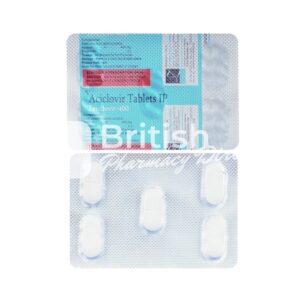
Aciclovir
from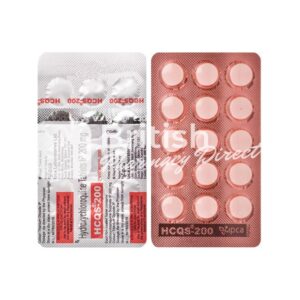
Hydroxychloroquine
from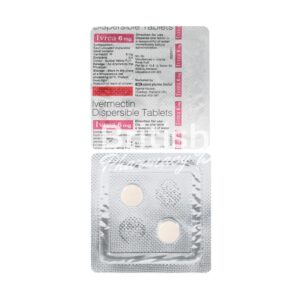
Ivermectin
from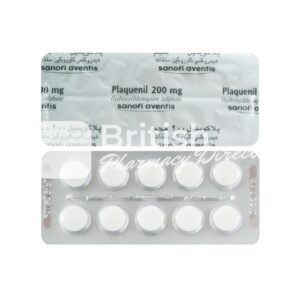
Plaquenil
fromWhat Are Antivirals and How Do They Work?
Antiviral medications are pharmaceutical treatments designed to combat viral infections by interfering with the virus’s ability to reproduce and spread within the body. Unlike antibiotics that target bacterial infections, antivirals work by targeting specific viral mechanisms. These medications can either prevent the virus from entering healthy cells, inhibit viral replication inside infected cells, or boost your immune system’s response to fight the infection.
Common mechanisms include blocking viral enzymes, preventing viral attachment to host cells, and inhibiting protein synthesis necessary for viral reproduction. Understanding how antivirals function helps patients appreciate why different medications are prescribed for different viral conditions. The effectiveness of antiviral treatment often depends on starting medication early in the infection, making prompt diagnosis crucial for optimal outcomes. Most antivirals are prescription-only medicines in the United Kingdom, requiring consultation with a healthcare professional before use.
Common Viral Infections Treated with Antivirals
Influenza (Flu)
Antiviral medications significantly reduce the duration and severity of influenza symptoms. Neuraminidase inhibitors like oseltamivir (Tamiflu) and zanamivir (Relenza) are commonly prescribed in the UK. These medications work best when started within 48 hours of symptom onset. They can reduce symptom duration by approximately one day and decrease the risk of complications, particularly in vulnerable populations such as elderly patients and those with chronic health conditions.
Herpes Simplex Virus
Herpes simplex infections affect millions of people worldwide and can cause painful blisters on the lips, mouth, or genitals. Aciclovir (Zovirax) is the most commonly prescribed antiviral in the United Kingdom for treating herpes simplex. Other options include valaciclovir (Valtrex) and famciclovir (Famvir). These medications reduce pain, promote faster healing, and decrease the risk of transmission to others. For patients with recurrent infections, prophylactic treatment may be recommended to prevent outbreaks.
Chickenpox and Shingles
Varicella-zoster virus causes both chickenpox and shingles. Aciclovir remains a first-line treatment for these conditions in the UK. Valaciclovir and famciclovir are effective alternatives that may be preferred due to better absorption rates. These medications are particularly important for treating shingles, as early intervention can prevent post-herpetic neuralgia, a painful complication that can persist for months or years.
Coronavirus and COVID-19
Since 2020, antiviral treatments for COVID-19 have become increasingly important. Nirmatrelvir with ritonavir (Paxlovid) and molnupiravir (Lagevrio) are available through the NHS for eligible patients at high risk of severe illness. These medications can significantly reduce hospitalisation rates when administered early in infection.
Available Antiviral Medications in the United Kingdom
Aciclovir
Available as tablets, capsules, cream, and intravenous injection, aciclovir is one of the most versatile antivirals available in the UK. The typical dosage for herpes simplex is 200mg five times daily for five to ten days. For shingles, higher doses are usually required. The cream formulation is available over-the-counter at pharmacies, making it accessible for cold sore treatment.
Oseltamivir (Tamiflu)
This oral medication comes in capsule form and is the most commonly prescribed treatment for influenza in the United Kingdom. The standard dose is 75mg twice daily for five days for adults. It must be prescribed by a doctor or obtained through NHS arrangements during flu outbreaks. Oseltamivir is particularly valuable for hospitalised patients and those at high risk of complications.
Valaciclovir (Valtrex)
A prodrug of aciclovir, valaciclovir offers superior bioavailability and requires less frequent dosing. Available as tablets in the UK, the standard dose for herpes simplex is 500mg twice daily for five to ten days. For shingles, higher doses of 1000mg three times daily are typically prescribed. Many patients prefer valaciclovir due to its convenient dosing schedule.
Zanamivir (Relenza)
Available as an inhalation powder, zanamivir provides an alternative to oseltamivir for influenza treatment. The medication is inhaled as two 5mg doses twice daily for five days. Some patients may experience bronchospasm, particularly those with underlying respiratory conditions like asthma.
Famciclovir (Famvir)
This oral medication is effective for treating herpes simplex and shingles. The standard dose for herpes simplex is 250mg three times daily for five to ten days, whilst shingles typically requires 500mg three times daily. Many patients tolerate famciclovir well with minimal side effects.
Side Effects and Safety Considerations
Antiviral medications are generally well tolerated, though some patients may experience mild side effects. Common side effects of aciclovir include headache, nausea, and dizziness. Oseltamivir may cause nausea, vomiting, and abdominal discomfort, often improved by taking the medication with food. Neurological side effects such as confusion or hallucinations are rare but can occur, particularly in elderly patients or those with renal impairment.
Serious allergic reactions are uncommon but require immediate medical attention. Patients should inform their healthcare provider about existing medical conditions, particularly kidney disease, as many antivirals require dose adjustments in renal impairment. Drug interactions are possible, so discussing all current medications with your doctor or pharmacist is essential before starting antiviral treatment.
Important safety considerations include:
- Informing your healthcare provider about all existing medical conditions
- Disclosing all current medications to check for potential interactions
- Discussing pregnancy or breastfeeding status before treatment
- Reporting any unusual symptoms or allergic reactions immediately
- Following prescribed dosage instructions carefully
Pregnant women should consult their healthcare provider before using antivirals, as safety in pregnancy varies by medication. Most antivirals are considered compatible with breastfeeding, but individual assessment is recommended.
When to Seek Antiviral Treatment
Early Intervention Benefits
The effectiveness of antiviral medications depends significantly on timing. For influenza, oseltamivir should ideally be started within 48 hours of symptom onset. Similarly, herpes simplex and shingles treatments are most effective when started early. Delaying treatment reduces the potential benefits and may result in prolonged symptoms and increased complications.
High-Risk Groups
Certain populations benefit most from antiviral treatment. These include elderly patients, those with chronic health conditions like diabetes or heart disease, pregnant women, immunocompromised individuals, and healthcare workers. NHS guidance provides specific recommendations for antiviral use in these populations, and eligible patients should discuss treatment options with their GP.
Obtaining Antivirals in the United Kingdom
Most antiviral medications require a prescription from a GP, dentist, or registered nurse prescriber. During the flu season, NHS practices may have specific arrangements for accessing oseltamivir. Some antivirals like aciclovir cream are available over-the-counter from pharmacies without prescription. Your pharmacist can advise on suitable options and whether prescription-only medication is necessary for your condition. Always consult with healthcare professionals to ensure appropriate treatment for your specific viral infection.