
Alcoholism
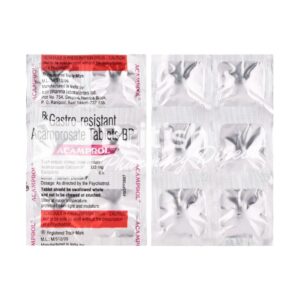
Acamprosate
from
Antabuse
from
Disulfiram
from
Naltrexone
from
Revia
fromUnderstanding Alcoholism and Alcohol Dependency
Alcoholism, clinically known as alcohol use disorder, is a chronic condition characterised by an inability to control alcohol consumption despite negative consequences. In the United Kingdom, alcohol dependency affects millions of people across all demographics and social backgrounds. This condition develops when regular alcohol use leads to physical and psychological dependence, where the body and mind become reliant on alcohol to function normally.
The development of alcoholism involves complex interactions between genetic predisposition, environmental factors, and individual circumstances. People may begin drinking socially or as a coping mechanism for stress and anxiety, but over time, tolerance builds, requiring increasing amounts of alcohol to achieve the same effect. Recognising the early signs of alcohol dependency is crucial for timely intervention and treatment.
Common symptoms include frequent cravings for alcohol, inability to limit consumption, withdrawal symptoms when not drinking, and continued use despite knowing the harm it causes. Understanding these signs helps individuals and their families seek appropriate medical support and treatment options.
Health Consequences and Medical Complications
Alcoholism poses severe risks to both physical and mental health. Prolonged alcohol abuse damages vital organs, particularly the liver, leading to conditions such as cirrhosis, fatty liver disease, and hepatitis. The cardiovascular system also suffers, with increased risks of high blood pressure, heart disease, and stroke.
Neurologically, chronic alcohol use damages brain cells and can result in memory problems, cognitive decline, and conditions like Wernicke-Korsakoff syndrome. Mental health complications are equally serious, with depression, anxiety, and increased suicide risk being common amongst people with alcohol dependency.
Additionally, alcoholism increases vulnerability to infections, impairs immune system function, and elevates cancer risk in various organs including the mouth, oesophagus, and breast. Gastrointestinal problems such as gastritis, ulcers, and pancreatitis are frequent complications. These medical consequences underline the importance of early treatment and professional intervention to prevent long-term damage.
Pharmacological Treatments Available in the United Kingdom
The UK pharmaceutical market offers several medications specifically designed to treat alcohol dependency and support recovery. These medications work through different mechanisms to reduce cravings, prevent relapse, and manage withdrawal symptoms.
Acamprosate (Campral)
Acamprosate is a commonly prescribed medication that restores the balance of neurotransmitters in the brain disrupted by alcohol abuse. It works by reducing the psychological distress and physical discomfort associated with abstinence, making it easier for individuals to maintain sobriety. Acamprosate is typically prescribed three times daily and has minimal side effects.
Naltrexone
Naltrexone blocks opioid receptors in the brain, reducing the rewarding effects of alcohol. This medication decreases cravings and the pleasurable sensation associated with drinking, making alcohol less appealing. Naltrexone is available in tablet form and as a monthly injection, offering flexibility for different treatment preferences.
Disulfiram (Antabuse)
Disulfiram creates an unpleasant reaction when alcohol is consumed, including flushing, nausea, and vomiting. This medication acts as a deterrent, discouraging people from drinking. It requires strong motivation and commitment, as it only works if the person chooses not to drink.
Additional pharmacological support includes benzodiazepines such as diazepam, which are prescribed short-term to manage withdrawal symptoms during the initial stages of treatment. These medications reduce anxiety, tremors, and seizure risk during detoxification. Thiamine (Vitamin B1) is frequently prescribed alongside other treatments to address nutritional deficiencies common in people with alcoholism and prevent neurological complications.
Rehabilitation Programmes and Psychological Therapies
Beyond medication, the UK offers comprehensive rehabilitation and psychological support services essential for long-term recovery. Several therapeutic approaches have proven effective:
- Cognitive Behavioural Therapy (CBT) helps individuals identify triggers, develop coping strategies, and change thought patterns that lead to alcohol use
- Motivational Interviewing strengthens commitment to recovery by helping people resolve ambivalence about changing their drinking behaviour
- Group therapy and support groups like Alcoholics Anonymous provide peer support and shared experiences, reducing feelings of isolation
- Family therapy repairs relationships damaged by alcohol abuse and establishes healthier family dynamics
- Relapse prevention programmes teach strategies to avoid triggers and handle high-risk situations
Many NHS trusts offer specialised alcohol services combining medical treatment with psychological interventions. Inpatient rehabilitation programmes provide intensive support for severe cases, whilst outpatient services allow individuals to maintain employment and family connections whilst receiving treatment. These comprehensive approaches significantly improve recovery outcomes and support sustained abstinence.
Withdrawal Management and Detoxification
Alcohol withdrawal can be dangerous and uncomfortable, requiring proper medical supervision. Symptoms typically begin 6-24 hours after the last drink and may include tremors, sweating, anxiety, and in severe cases, seizures or delirium tremens.
Medically supervised detoxification provides safety and comfort during this critical phase. Doctors monitor vital signs and adjust medications accordingly. Benzodiazepines are the standard treatment for managing withdrawal symptoms, reducing seizure risk and anxiety. The duration typically lasts 5-7 days, depending on individual circumstances and the severity of alcohol dependency.
Creating a supportive environment with nutritional support, hydration, and nursing care significantly improves outcomes. Many UK hospitals and private clinics offer specialised detoxification programmes designed to minimise discomfort and complications whilst supporting patients through this challenging transition to sobriety. Professional supervision during this period is essential to prevent potentially life-threatening complications.
Long-term Recovery Support and Prevention
Achieving sobriety is only the beginning; maintaining recovery requires ongoing commitment and support. The UK provides numerous resources for long-term alcohol management, including continued medication, regular counselling, and community support networks.
Building new habits, developing healthy coping mechanisms, and strengthening social connections are vital for sustained recovery. Many people benefit from continued psychiatric support to address underlying mental health conditions that may have contributed to alcoholism.
Occupational therapy helps individuals rebuild their lives, regain purpose, and reintegrate into society. Lifestyle modifications including exercise, nutrition, and stress management techniques support overall wellbeing and reduce relapse risk. Prevention education in communities and schools aims to reduce harmful drinking patterns and identify at-risk individuals early.
Regular follow-up appointments with healthcare providers ensure early intervention if difficulties arise. Support networks, whether professional or peer-based, provide accountability and encouragement throughout the recovery journey, significantly increasing the likelihood of long-term abstinence and improved quality of life. With comprehensive support and commitment to recovery, many individuals successfully overcome alcohol dependency and achieve lasting sobriety.