Revia
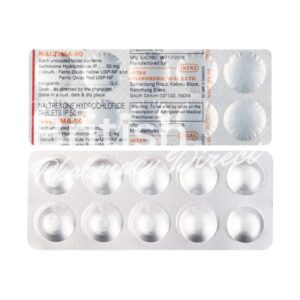
In brief
- Revia (naltrexone) is a prescription-only medicine (POM) in the UK and is normally dispensed from pharmacies on prescription; generics are widely available.
- Revia is used for relapse prevention in opioid dependence and to reduce cravings in alcohol dependence; it is an opioid receptor antagonist that blocks mu‑opioid receptors, reducing the effects of opioids and diminishing alcohol-related reward.
- Usual adult dosage: 50 mg orally once daily for opioid or alcohol dependence. Children under 18 are not recommended; elderly and those with hepatic/renal impairment require caution and monitoring.
- Forms of administration: oral film‑coated 50 mg tablets (in blisters or bottles).
- Onset time: oral naltrexone begins to block opioid receptors within about 30–60 minutes (peak plasma concentrations around 1 hour).
- Duration of action: a single oral dose provides blockade for roughly 24 hours.
- Alcohol warning: although used to treat alcohol dependence, naltrexone can cause hepatotoxicity; avoid heavy alcohol binges, monitor liver function tests before and during treatment, and discuss alcohol use with your clinician before starting.
- The most common side effects include nausea (most frequent), headache, insomnia, joint or muscle pain, anxiety or nervousness, fatigue and loss of appetite; most adverse effects are dose‑related and often lessen with continued use.
- Would you like to try Revia without a prescription?
Basic Revia information
- INN (international nonproprietary name): Naltrexone hydrochloride
- Brand names available in the United Kingdom: generic naltrexone 50 mg tablets (Revia is the original brand name)
- ATC code: N07BB04
- Forms and dosages: 50 mg oral film-coated, scored tablets
- Manufacturers in the United Kingdom: generic manufacturers such as Teva, Sandoz and Accord Healthcare
- Registration status in the United Kingdom: Prescription-only medicine (POM)
- OTC / Rx classification: Prescription-only medicine (POM)
Critical warnings and restrictions
Worried about safety and whether this medicine is right for you?
Patient safety comes first with naltrexone because it is a prescription-only opioid antagonist that can cause liver injury and precipitate severe opioid withdrawal if started while opioids remain in the body.
Absolute contraindications include current opioid use, acute hepatitis or liver failure, and known hypersensitivity to naltrexone or any excipients.
High‑risk groups (elderly, pregnancy, chronic illness)
Are you elderly, pregnant or living with chronic illness?
Elderly patients require extra caution and monitoring of renal and hepatic function, although routine dose reductions are not universally required.
Pregnancy and breastfeeding require individual risk/benefit review with a prescriber.
People with severe depression or current suicidal ideation need close psychiatric follow-up because mental‑health risks have been reported.
Interaction with activities (driving, workplace safety under UK law)
Do you work in safety‑critical roles or plan to drive?
Side effects such as drowsiness, dizziness, anxiety or impaired concentration may affect the ability to drive or perform safety‑critical tasks.
Employers and clinicians should assess fitness to work under UK employment law, and drivers should follow DVLA guidance where impairment is suspected.
Q&A — Can I drive after taking naltrexone?
Most people can drive after taking naltrexone, but if you experience drowsiness, dizziness or impaired concentration you must not drive.
Follow DVLA guidance and any employer policies for safety‑critical roles, and ensure counselling and any advice are documented in the patient record.
- High‑risk checks: confirm opioid abstinence, baseline liver function tests, mental‑health screen, pregnancy test where applicable.
Pre‑treatment screening checklist:
- History of opioid use and time since last opioid (ensure 7–10 days opioid‑free for most opioids).
- Baseline liver function tests (LFTs) and plan for repeat monitoring.
- Pregnancy test if applicable and review of breastfeeding status.
- Assessment for depression, suicidal ideation and current psychiatric care.
- Medication reconciliation to identify any opioids or hepatotoxic co‑medicines.
Usage basics
What is this medicine called and how is it classified?
INN, brand names available in the UK
The INN is naltrexone hydrochloride, supplied in the UK as 50 mg oral tablets.
Revia is the original brand name; generic naltrexone tablets are made by manufacturers such as Teva, Sandoz and Accord Healthcare.
Legal classification (POM, P, GSL)
Naltrexone is classified as a Prescription Only Medicine (POM) and requires a prescriber with authority in the UK, such as a GP, addiction specialist or private prescriber.
MHRA and NHS frameworks apply for safety reporting, dispensing and shared‑care arrangements.
Commonly referenced names:
| Brand | Form | Status |
|---|---|---|
| Revia | 50 mg tablet | Original brand; generics available |
| Generic naltrexone | 50 mg tablet | Available from multiple manufacturers |
Dosing guide
How will my prescriber decide the right dose and what monitoring is needed?
Standard regimens (NHS guidelines)
Standard adult oral dosing is 50 mg once daily for alcohol dependence or for relapse prevention in opioid dependence after detoxification.
Initiation must follow confirmed opioid abstinence for at least 7–10 days to avoid precipitated withdrawal.
Adjustments for comorbidities
Acute hepatitis or liver failure is an absolute contraindication; in moderate hepatic or renal impairment exercise caution and monitor LFTs more frequently.
Elderly patients should have renal and hepatic function checked and be monitored carefully, although routine dosage reduction is not specified in the available data.
Q&A — What if I miss a dose?
If you miss a dose, take it as soon as you remember unless it is near the time of the next scheduled dose, in which case skip the missed dose and do not double up.
Initiation checklist:
- Confirm opioid abstinence for 7–10 days (depending on opioid half‑life and clinical context).
- Baseline LFTs with plan for regular monitoring.
- Mental‑health screen and safety plan if history of mood disorder or suicidal thoughts.
- Review current medications to exclude opioid analgesics or cough medicines containing opioids.
| Regimen | Dose | Monitoring interval |
|---|---|---|
| Oral for alcohol dependence | 50 mg once daily | Baseline LFTs, then periodic LFTs (clinically determined) |
| Oral for opioid relapse prevention | 50 mg once daily (only after opioid‑free period) | Baseline LFTs; monitor clinically for withdrawal signs |
Interaction chart
Which drinks, foods or medicines could cause trouble with naltrexone?
Food and drinks (alcohol, tea/coffee, diet habits)
Alcohol is the clinical target for treatment, but naltrexone does not make drinking harmless; patients must be counselled that drinking while on treatment still carries health risks.
Caffeine and diet habits have no known direct pharmacokinetic interactions with naltrexone, but general advice on sensible alcohol intake and nutrition applies.
Common drug conflicts
The most important pharmacodynamic interaction is with opioids; concurrent opioid use will be blocked and may precipitate severe withdrawal.
Other concerns include co‑administration with hepatotoxic drugs such as high‑dose paracetamol or some antifungals, which may increase liver risk and require closer LFT monitoring.
| Drug / food | Interaction | Action |
|---|---|---|
| Opioid analgesics (e.g. morphine, codeine, some cough syrups) | Pharmacodynamic blockade; risk of precipitated withdrawal | Do not start naltrexone until opioid‑free; warn patient to inform all prescribers and urgent‑care staff |
| Alcohol | Treatment target; reduces craving but does not remove harm | Counsel on continued alcohol risks and integration with psychosocial support |
| High‑dose paracetamol, certain antifungals | Increased hepatic risk when combined with naltrexone | Monitor LFTs; minimise concomitant hepatotoxins where possible |
- Immediate red flags: current opioid exposure, unexplained rising LFTs, new severe abdominal pain or jaundice.
Legal status and availability in the UK
In our online pharmacy, Revia is available without a prescription, with discreet delivery to the United Kingdom in 9–21 days.
Mechanism and pharmacology
How does naltrexone work in plain language and what does that mean clinically?
Simplified explanation
Naltrexone is an opioid receptor antagonist that binds to mu opioid receptors and blocks the effects of opioid drugs and reduces some of the rewarding effects of alcohol.
By preventing opioid receptor activation it helps reduce the reinforcement from alcohol and blocks opioid euphoria, supporting relapse prevention.
Clinical terms
Pharmacodynamically, naltrexone is an antagonist at μ, κ and δ opioid receptors.
Clinical considerations include adherence and dose‑response.
- Mechanism — Opioid receptor antagonism (μ, κ, δ).
- Action — Blocks opioid effects and reduces alcohol reward.
- Clinical effect — Reduced craving and support for relapse prevention.
Clinicians should refer to MHRA and NICE materials for detailed pharmacokinetic specifications and practice guidance.
Indications and off‑label uses
What is naltrexone licensed for, and when might clinicians use it off‑label?
MHRA‑approved uses
Approved uses include treatment of alcohol dependence and relapse prevention in opioid dependence once the patient is opioid‑free, using oral 50 mg daily.
Off‑label practices in NHS and private care
Off‑label uses occur infrequently and are usually specialist‑led, such as trials in certain behavioural addictions or as adjunctive therapy in complex cases; such use must be evidence‑based and documented with informed consent.
- Approved: Alcohol dependence; relapse prevention in opioid dependence after detox.
- Off‑label: Selective behavioural‑addiction uses or experimental adjunctive roles — specialist governance required.
Off‑label governance checklist:
- Evidence review and rationale recorded in notes.
- Discuss risks and benefits and obtain informed consent.
- Monitoring plan agreed and documented, with liaison to relevant services.
Alternatives matrix
What other medicines might be prescribed instead of or alongside naltrexone?
NHS prescribing alternatives (comparison table)
| Drug | Indication | Mechanism | Monitoring | Pros / cons |
|---|---|---|---|---|
| Acamprosate | Alcohol dependence | Modulates glutamate/GABA | Basic renal checks | Good for maintaining abstinence; less useful for heavy drinkers who are not abstinent |
| Disulfiram | Alcohol dependence | Alcohol aversive agent | Monitoring for adherence and reactions | Effective when supervised; risk if alcohol is consumed |
| Methadone | Opioid dependence | Full opioid agonist | Frequent monitoring and supervised dispensing | Established opioid‑substitution therapy; requires supervision |
| Buprenorphine / buprenorphine‑naloxone | Opioid dependence | Partial agonist / antagonist | Regular reviews and supervised dosing initially | Lower overdose risk than methadone; suitable for many patients |
| Nalmefene | Alcohol dependence | Opioid receptor antagonist | Clinical monitoring | Used in some pathways as an alternative antagonist |
Pros and cons checklist
- Consider pregnancy, liver disease, likelihood of adherence, and access to supervised dispensing when choosing therapy.
- Joint decision‑making with the patient and multidisciplinary team is recommended.
Common questions
What do patients most often ask in clinic?
- Will naltrexone make me sick if I’ve used opioids recently? — Yes, it can trigger acute precipitated withdrawal if opioids are present; ensure 7–10 days opioid‑free before starting.
- How soon will I feel benefits? — Some people notice reduced craving within days; fuller relapse‑prevention benefits are seen with combined psychosocial therapy over weeks to months.
- Can I stop suddenly? — Sudden stopping is not usually medically dangerous, but stopping may increase relapse risk; discuss plans with your prescriber and arrange follow‑up support.
- Will I be monitored? — Yes; baseline and ongoing liver function tests and clinical reviews are recommended.
Clinics should provide a brief leaflet with these Q&As and signpost local addiction services for further support.
Registration and regulation
Who licenses the medicine and what must prescribers do?
MHRA approval process
Naltrexone products are authorised as prescription medicines under standard regulatory frameworks and are subject to safety monitoring and Yellow Card reporting for suspected adverse reactions.
NHS prescribing framework
Prescribers should follow product SPCs, local formularies and NICE guidance where available, and apply shared‑care protocols when in place.
- Prescriber checklist: confirm product licence, document consent for off‑label use, order baseline tests, and set repeat prescribing intervals.
Report serious or novel adverse reactions to the MHRA Yellow Card scheme promptly.
Storage and handling
How should you store tablets at home and when travelling?
UK household storage (cold/damp climate)
Tablets should be stored at 20–25°C, protected from moisture and excess heat, and kept in the original packaging out of reach of children.
In UK homes with variable humidity, store tablets in a dry, cool cabinet rather than a bathroom cabinet.
Guidance from NHS and pharmacists
- Home storage tips: keep tablets in original pack; avoid damp or hot places; keep medicines out of sight and reach of children.
- Transport checklist: carry medication in original packaging, bring prescription or proof of treatment.
| Form | Storage temperature | Disposal |
|---|---|---|
| Tablets (50 mg) | 20–25°C | Return to pharmacy for safe disposal of unused tablets |
Guidelines for proper use
What will the pharmacist tell you at dispense and how should services organise follow‑up?
UK pharmacist counselling style
Counselling should confirm opioid abstinence, explain hepatotoxic risks and the need for LFTs, and review all current medicines for opioid content.
Discuss common side‑effects such as nausea, headache and sleep disturbance, and advise on driving and working if concentration may be affected.
NHS patient safety advice
Stress that naltrexone is one part of a comprehensive plan including psychosocial support and that any signs of liver dysfunction or severe mood changes should prompt immediate review.
- Counselling checklist: confirm opioid history, give written side‑effect advice, explain missed‑dose rules, and provide emergency contacts and follow‑up arrangements.
Document counselling in the patient record and provide a printed leaflet summarising key points and local addiction service contacts.
Delivery across the United Kingdom
| City | Region | Delivery Time |
|---|---|---|
| London | England | 9–21 days |
| Birmingham | England | 9–21 days |
| Manchester | England | 9–21 days |
| Glasgow | Scotland | 9–21 days |
| Leeds | England | 9–21 days |
| Edinburgh | Scotland | 9–21 days |
| Liverpool | England | 9–21 days |
| Bristol | England | 9–21 days |
| Sheffield | England | 9–21 days |
| Newcastle Upon Tyne | England | 9–21 days |
| Nottingham | England | 9–21 days |
| Cardiff | Wales | 9–21 days |
| Belfast | Northern Ireland | 9–21 days |
Final notes and practical tips
Feeling unsure about starting treatment is normal; ask your prescriber for a clear plan on how naltrexone will be integrated with psychological support.
Carry a short card stating you are taking an opioid antagonist so emergency clinicians know that opioid analgesia will be blocked.
Keep copies of baseline tests and treatment plans, and make sure any advice about driving or safety‑critical work is written down and placed in your clinical record.
If you have questions about Revia or generic naltrexone, your pharmacist can explain what to expect.