Nortriptyline
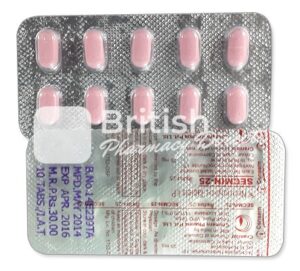
In brief
- Nortriptyline is a prescription-only medicine in the UK, Europe, the USA, Canada and Japan, and is not officially available over the counter; however, some pharmacies may offer it without a prescription. It is supplied under brand names such as Nortrilen, Sensoval, Pamelor and Aventyl.
- Nortriptyline is used mainly to treat major depressive disorder and is also used off-label for neuropathic pain, migraine prevention and sometimes fibromyalgia. It is a tricyclic antidepressant that works by inhibiting the reuptake of noradrenaline and, to a lesser extent, serotonin in the brain.
- The usual dose depends on the indication: for depression, adults often start at 25 mg three or four times daily, with a typical maximum of 75–150 mg per day; for pain conditions, treatment often starts at 10–25 mg at bedtime and may be increased gradually up to 75 mg per day if tolerated.
- Nortriptyline is taken by mouth as tablets or capsules, usually in strengths of 10 mg, 25 mg, 50 mg or 75 mg; an oral solution may also be available in some regions.
- It usually begins to work within 2–4 weeks for depression, although some people notice earlier improvement in sleep or pain symptoms.
- The duration of action is around 24 hours, so it is generally taken once daily or in divided doses depending on the prescribed regimen and indication.
- Alcohol should be avoided or strictly limited, as it can increase drowsiness, dizziness and the risk of impaired judgement and side effects.
- The most common side effects are dry mouth, constipation, drowsiness, dizziness, blurred vision, urinary retention, weight gain and orthostatic hypotension.
- Would you like to try nortriptyline without a prescription?
Critical Warnings And Patient Protection In The UK
- Nortriptyline is a prescription-only medicine in the UK and must be used under medical supervision.
- It is MHRA-licensed, listed as ATC N06AA10, and is a secondary amine tricyclic antidepressant.
- Do not start it if you have had a recent myocardial infarction, have arrhythmias, are taking an MAOI, have severe liver impairment, or have a known hypersensitivity to tricyclics.
- Extra caution is needed with epilepsy, angle-closure glaucoma, urinary retention or prostatic hypertrophy, thyroid disease, and bipolar disorder.
- Dose changes must be gradual, and treatment should not be stopped suddenly.
- Keep nortriptyline out of reach of children at all times.
Starting nortriptyline should never be a casual decision, especially with nortriptyline prescription UK patients who already have heart, liver, or neurological conditions.
Who should seek urgent medical advice before starting?
- Anyone with chest pain, fainting, palpitations, or a known heart rhythm problem.
- Anyone with severe liver disease or a recent heart attack.
- Anyone taking antidepressants, MAO inhibitors, tramadol, or other medicines that may interact.
- Anyone with glaucoma, epilepsy, urinary retention, or bipolar disorder.
High-Risk Groups
Elderly patients, pregnant patients, and people with chronic illness need a careful review before nortriptyline is prescribed.
Frailty, falls risk, polypharmacy, and reduced medicine clearance can all make side effects more troublesome.
Emergency Red Flags
Chest pain, fainting, severe confusion, suicidal thoughts, and palpitations need urgent medical assessment.
If an overdose is suspected, seek emergency help immediately because severe cardiac toxicity and CNS effects can occur.
Basic Nortriptyline Information
- INN (International Nonproprietary Name): Nortriptyline
- Brand names available in United Kingdom: Nortrilen, Sensoval
- ATC Code: N06AA10
- Forms & dosages: Tablets 10 mg, 25 mg, 50 mg, 75 mg; Capsules 10 mg, 25 mg, 50 mg, 75 mg; Oral solution sometimes available
- Manufacturers in United Kingdom: Mylan, Teva, Sun Pharmaceutical, Sandoz, Aurobindo, and other UK or EU generic suppliers
- Registration status in United Kingdom: MHRA-licensed, Rx-only
- OTC / Rx classification: Prescription only (Rx)
Driving, Work Safety, And Day-To-Day Impairment
Could nortriptyline make you feel a bit off your game?
It can, particularly at the start, because drowsiness, dizziness, blurred vision, and orthostatic hypotension are all recognised effects.
Under DVLA principles, fitness to drive depends on whether side effects affect attention, judgement, or reaction time.
That means caution around machinery, ladders, night shifts, and any safety-critical role.
- Do: stand up slowly, especially after sitting or lying down.
- Do: avoid alcohol until you know how nortriptyline affects you.
- Do: ask a pharmacist if your OTC cold remedy or sleep aid could add to drowsiness.
- Avoid: driving, cycling, or childcare tasks if you feel sleepy, dizzy, or visually blurred.
- Avoid: using tools or ladders if your balance is not steady.
Interaction With Activities
Driving, machinery, childcare, and cycling all need the same basic rule: if alertness is reduced, stop and reassess.
Micro-FAQ — Can I Drive After Taking It In The UK?
A: Only if you feel fully alert and your prescriber has not advised otherwise; avoid driving if sleepy, dizzy, or vision is affected.
What Nortriptyline Is And How It Is Classified
What exactly is nortriptyline, and why do prescribers still use it?
Nortriptyline is the INN for a secondary amine tricyclic antidepressant, classed as a non-selective monoamine reuptake inhibitor.
Its ATC code is N06AA10.
In the UK and Europe, brand context includes Nortrilen and Sensoval, and nortriptyline tablets or capsules are commonly seen in 10 mg and 25 mg strengths.
- INN
- The generic international name for the medicine.
- TCA
- Tricyclic antidepressant.
- Rx/POM
- Prescription-only medicine.
- CYP2D6 substrate
- A medicine that is metabolised by the CYP2D6 enzyme, so interactions can change its levels.
INN, Brand Names Available In The UK
Nortrilen and Sensoval are the main UK and Europe brand references, although generic nortriptyline is common.
Legal Classification In The UK
Nortriptyline is not an over-the-counter medicine in any jurisdiction and always requires medical supervision.
Forms, Strengths, And Packaging Available
Wondering whether your pharmacy will have the right formulation in stock?
Nortriptyline is supplied as tablets, capsules, and sometimes oral solution, although availability varies by region and wholesaler.
| Form | Strengths | Typical Packaging |
|---|---|---|
| Tablets | 10 mg, 25 mg, 50 mg, 75 mg | Blisters or bottles |
| Capsules | 10 mg, 25 mg, 50 mg, 75 mg | Bottles or blisters |
| Oral solution | Variable by region | Bottles |
UK-relevant strengths are most often 10 mg and 25 mg, and supplier names can include Mylan, Teva, Sun Pharmaceutical, Sandoz, and Aurobindo.
Tablets, Capsules, And Oral Solution
Packaging may come in blisters or bottles, with brand availability changing according to NHS stock and the pharmacy wholesaler.
Micro-FAQ — Are 10 Mg And 25 Mg Tablets The Main UK Strengths?
A: Yes, these are the most commonly referenced UK strengths, though availability can vary.
NHS Prescribing, Electronic Prescriptions, And Where Patients Obtain It
Most UK patients receive nortriptyline on an NHS prescription, often sent electronically through EPS to a nominated pharmacy.
That could be a high-street chain such as Boots, LloydsPharmacy, or Superdrug, or an independent local pharmacy where the counselling is just as important.
Pharmacist advice matters because nortriptyline needs careful use with other medicines, and even a simple dosage change should be checked.
- How to collect: confirm the prescription has been issued, check your nominated pharmacy, and take ID if requested.
- How to verify a safe online pharmacy: look for GPhC registration, MHRA compliance, clear contact details, and a proper prescription process.
- Private prescriptions: may affect supply and price, so check before ordering.
Boots, LloydsPharmacy, Superdrug, And Independents
Community pharmacies often make counselling easier, especially when a patient wants to discuss side effects, dosage, or a nortriptyline generic switch.
Online Pharmacies And NHS E-Prescriptions
In our online pharmacy, nortriptyline is available without a prescription, with discreet delivery to United Kingdom in 5-14 days.
Standard Dosing And Titration For UK Adults
How much nortriptyline is usually prescribed depends on the indication and how well the patient tolerates sedation or anticholinergic effects.
| Indication | Starting Dose | Titration | Maximum Dose |
|---|---|---|---|
| Depression (MDD) | 25 mg, 3–4 times daily | Adjusted based on response and tolerance | 75–150 mg/day |
| Neuropathic pain, migraine, fibromyalgia | 10–25 mg at bedtime | Titrate as tolerated | 75 mg/day |
Prescribers usually start low, especially when sedation is likely, and dose changes should never be made rapidly by the patient alone.
Taking it at the same time each day helps reduce missed doses and makes side effects easier to track.
Standard Regimens (NHS-Style Prescribing)
For depression, treatment response is often seen after 2 to 4 weeks, and therapy usually continues for at least 6 months after improvement.
Micro-FAQ — What If I Miss A Dose?
A: Take it when remembered unless it is nearly time for the next dose; never double up.
Dose Adjustments For Age, Liver Disease, Kidney Disease, And Other Comorbidities
Does age or another illness change the dose?
Yes, because clearance and sensitivity are not the same in every patient.
Children are not routinely treated with nortriptyline, and specialist-only use is rare.
Older adults usually start at 10 to 25 mg daily and are titrated more slowly, with close attention to anticholinergic and CNS effects.
Liver impairment calls for caution and possible dose reduction because hepatic metabolism is primary, while kidney impairment usually does not require major adjustment but severe dysfunction still needs monitoring.
- Before increasing the dose, check: age, frailty, falls risk, drug interactions, constipation, urinary symptoms, and any change in mood or confusion.
- Also check: polypharmacy, especially medicines that add sedation or affect CYP2D6.
Adjustments For Comorbidities
People with epilepsy, glaucoma, urinary retention, thyroid disease, or bipolar disorder need supervising physician review before treatment or titration.
Monitoring In Older Adults
Falls, confusion, postural dizziness, and dry mouth can become more troublesome in older adults, so slower titration is usually safer.
How Nortriptyline Works In The Body
Why does nortriptyline help mood and sometimes nerve pain?
It increases the availability of noradrenaline and serotonin in the brain by inhibiting reuptake.
That is the simple reason it may help depressive symptoms and certain chronic pain conditions.
- Simple explanation: it helps important brain chemicals stay active for longer.
- Clinical explanation: it is a CYP2D6 substrate and a non-selective monoamine reuptake inhibitor.
Simplified Explanation
Compared with some other TCAs, nortriptyline may be a little less sedating and less anticholinergic, which can make it more tolerable for some patients.
Clinical Terms
Because metabolism varies between patients, the same dose can feel very different from one person to another.
Approved Uses And Common Off-Label Uses In The UK
When is nortriptyline licensed, and when is it used off label?
Its standard use is major depressive disorder, while neuropathic pain, migraine prophylaxis, and fibromyalgia are common off-label practices in UK care.
| Indication | Typical Role | Review Timeframe |
|---|---|---|
| Major depressive disorder | MHRA-approved treatment | Initial effect in 2–4 weeks; continue at least 6 months after improvement |
| Neuropathic pain | Common off-label option | Review after 2–3 weeks |
| Migraine prophylaxis | Common off-label option | Review after 2–3 weeks |
| Fibromyalgia | Common off-label option | Review after 2–3 weeks |
Off-label prescribing is common in UK practice when clinician judgement and patient consent support it.
MHRA-Approved Uses
For depression, the key is steady use, careful follow-up, and realistic expectations about onset.
Off-Label Practices In NHS And Private Care
For pain, the lower bedtime dose is often the practical starting point, especially when sedation is welcome rather than a problem.
Side Effects, Common Harms, And When To Seek Help
What side effects are most likely to bother people?
Dry mouth, constipation, urinary retention, drowsiness, dizziness, blurred vision, weight gain, sweating, tremor, sexual dysfunction, and orthostatic hypotension are all recognised.
| Side Effect | Self-Care | Urgent Action |
|---|---|---|
| Dry mouth | Drink water, use sugar-free gum, keep up oral hygiene | Seek advice if severe or affecting eating, speaking, or dental health |
| Constipation | Increase fibre and fluids | Review if persistent or painful |
| Drowsiness or dizziness | Take care with driving and standing up slowly | Urgent review if severe or associated with falls |
| Palpitations, fainting, confusion, worsening mood | Do not ignore | Seek urgent medical help |
Common effects are often manageable, but severe palpitations, fainting, severe confusion, worsening mood, or suicidal thoughts need urgent review.
Common Side Effects
Hydration, fibre, oral hygiene, and standing up slowly can make day-to-day treatment more comfortable.
When Side Effects Need Urgent Review
If symptoms suggest heart rhythm problems, severe CNS effects, or a change in mental state, do not wait for the next routine appointment.
Micro-FAQ — Is Dry Mouth Normal?
A: Yes, it is common; seek advice if it is severe, persistent, or affecting eating, speaking, or dental health.
Drug, Food, And Alcohol Interactions
Interaction checks matter with nortriptyline, especially because MAO inhibitors are contraindicated and need a 14-day washout.
| Interaction Type | Examples | Practical Advice |
|---|---|---|
| MAO inhibitors | MAOI treatment within 14 days | Do not combine |
| Other antidepressants | SSRIs, SNRIs, other TCAs | Check for serotonin and side-effect burden |
| Analgesics and sedatives | Tramadol, opioids with serotonergic effects, sedating OTC products | Higher risk of drowsiness or interaction |
| Other medicines | Antihistamines, antipsychotics, antiarrhythmics | Ask a pharmacist before combining |
Food And Drinks
Tea and coffee are not absolute contraindications, but they may worsen jitteriness, sleep problems, or reflux in some people.
Alcohol can add to sedation and impairment, so it is best avoided until the individual effect is clear.
Common Drug Conflicts
Because nortriptyline is a CYP2D6 substrate, medicines that inhibit or induce that pathway can change exposure and side effects.
Always tell the pharmacist about all prescribed, bought, and herbal products.
Comparison With Alternatives And When Switching May Be Considered
Why might a prescriber choose nortriptyline instead of another TCA or an SNRI?
Often it comes down to tolerability, prior response, pain control, and the interaction profile.
| Medicine | Sedation | Anticholinergic Load | Pain Use | Prescribing Considerations |
|---|---|---|---|---|
| Amitriptyline | More sedating | Higher | Common | May be harder to tolerate |
| Imipramine | Variable | Typical TCA burden | Less commonly used | Older TCA option |
| Desipramine | Similar | Similar | Sometimes used | Close relative to nortriptyline |
| Doxepin | More sedative | Typical TCA burden | Sometimes used | May suit night-time use but cause more sedation |
| Duloxetine or Venlafaxine | Usually less sedating | Lower than TCAs | Used for pain and mood | Non-TCA alternatives |
- When to discuss an alternative: troublesome side effects, poor response, interaction concerns, falls risk, or a new heart, liver, or psychiatric issue.
- Also discuss: pregnancy, frailty, or problems with adherence.
NHS Prescribing Alternatives
Amitriptyline, desipramine, doxepin, and modern SNRIs such as duloxetine or venlafaxine may be considered depending on the condition and tolerability.
Pros And Cons Checklist
Nortriptyline can be a sensible choice when prior response has been good and sedation or anticholinergic burden is manageable.
Clinical Evidence And What UK Patients Should Know About Outcomes
What should patients realistically expect from nortriptyline?
The broad clinical picture is that efficacy is comparable to other tricyclics, and the choice is often guided by tolerability rather than clear superiority.
- Depression response: improvement is gradual, often taking 2 to 4 weeks.
- Neuropathic pain relief: a lower bedtime dose may help, with review after 2 to 3 weeks.
- Migraine prevention: benefit is possible, but response varies.
Long-standing clinical use and guideline-based experience remain important because patient response is individual and slow titration is usually safer.
Key Clinical Findings
Nortriptyline is often chosen for its balance of effect and tolerability, not because it is universally better than every alternative.
Side-By-Side Access, Costs, And Regional UK Prescription Differences
How easy is it to get nortriptyline across the UK, and what will it cost?
Access is usually straightforward through community pharmacies, online pharmacy services, or NHS EPS, but price depends on whether the prescription is NHS or private, and on local supply.
| Nation | Typical NHS Access | Prescription Charge | Notes |
|---|---|---|---|
| England | Community pharmacy, online pharmacy, EPS | Standard NHS charges may apply unless exempt | Private price varies by strength and supplier |
| Scotland | Community pharmacy, online pharmacy, EPS | Free | Supply can still vary |
| Wales | Community pharmacy, online pharmacy, EPS | Free | Generic substitution may affect stock |
| Northern Ireland | Community pharmacy, online pharmacy, EPS | Free | Pharmacy wholesaler supply may differ |
| Pharmacy Source | Typical Price Range | Exemption Status |
|---|---|---|
| Community pharmacy | Depends on NHS or private supply | Depends on country and eligibility |
| Online pharmacy | Varies by strength and pack size | Depends on prescription route |
| NHS EPS | As per NHS rules | Country-specific |
Stock, wholesaler supply, and generic substitution can all affect the final price and the exact product dispensed.
NHS Cost And Access Comparison
For many patients, the main practical point is simply whether the medicine is in stock and whether the prescription is exempt or chargeable.
Regional Differences Table
Private ordering can be useful when a specific strength or manufacturer is needed, but the prescription rules still matter.
Storage, Transport, Safe Use, And Pharmacist Counselling Points
Where should nortriptyline be kept at home?
Store it at 15 to 30°C, protected from moisture and light, and keep it in the original packaging and well out of reach of children.
Damp bathrooms, hot car gloveboxes, and shared homes are all poor storage places.
- Safe daily use: take the prescribed dose, keep to the same time each day, and do not stop suddenly.
- Safe travel: carry it in closed original packaging for holidays or work travel.
- Missed dose: take it when remembered unless the next dose is near.
- Overdose: seek emergency help immediately because severe cardiac toxicity and CNS effects can occur.
UK Household Storage
Simple habits make a real difference, especially in homes with children or in rooms exposed to damp and heat.
Guidance From NHS And Pharmacists
The main counselling priorities are adherence, side effects, interactions, and knowing when to seek urgent help.
Delivery Across United Kingdom
| City | Region | Delivery time |
|---|---|---|
| London | England | 5-7 days |
| Birmingham | England | 5-7 days |
| Manchester | England | 5-7 days |
| Liverpool | England | 5-7 days |
| Leeds | England | 5-7 days |
| Sheffield | England | 5-7 days |
| Bristol | England | 5-7 days |
| Newcastle upon Tyne | England | 5-7 days |
| Nottingham | England | 5-9 days |
| Leicester | England | 5-9 days |
| Cardiff | Wales | 5-7 days |
| Swansea | Wales | 5-9 days |
| Glasgow | Scotland | 5-7 days |
| Edinburgh | Scotland | 5-7 days |
| Belfast | Northern Ireland | 5-7 days |