
Stop Smoking

Understanding Nicotine Addiction
Nicotine is one of the most addictive substances known, affecting the brain’s reward system and creating both physical and psychological dependence. When you smoke, nicotine reaches your brain within seconds, triggering the release of dopamine, which creates pleasurable sensations and reinforces the habit. This is why quitting smoking is so challenging for many people, even those with strong willpower.
The addiction develops quickly because your body builds tolerance, requiring more cigarettes to achieve the same effect. Over time, smoking becomes deeply integrated into daily routines—after meals, during breaks, or whilst socialising. Understanding this mechanism is crucial for successful cessation, as it helps you recognise that quitting isn’t simply about willpower alone, but about addressing genuine physical dependence.
Nicotine Replacement Therapy (NRT)
Nicotine Replacement Therapy provides your body with controlled doses of nicotine without the harmful chemicals found in cigarettes. NRT works by reducing withdrawal symptoms and cravings, making the quitting process more manageable. The NHS recommends NRT as a first-line treatment for smoking cessation, and many products are available over-the-counter in UK pharmacies.
Available NRT Products in the United Kingdom
- Nicotine patches deliver a steady dose of nicotine through your skin throughout the day, providing consistent relief from cravings. They come in various strengths to suit different smoking habits and are particularly useful for managing background cravings.
- Nicotine gum allows you to control your nicotine intake by chewing as needed when cravings strike. Available in 2mg and 4mg strengths, it’s effective for breakthrough cravings and gives you a sense of control during the quitting process.
- Nicotine lozenges dissolve slowly in your mouth, providing sustained relief without the chewing action. They’re discreet and convenient, making them ideal for work or social situations where you need subtle nicotine delivery.
- Nicotine nasal spray offers rapid nicotine absorption through the nasal membranes, making it particularly helpful for heavy smokers with intense cravings. It works quickly, usually within minutes of administration.
- Nicotine inhalator cartridges mimic the hand-to-mouth action of smoking whilst delivering nicotine through oral inhalation. This can be psychologically helpful for those who miss the physical habit of smoking.
Prescription Medications
Beyond nicotine replacement, prescription medications tackle smoking addiction through different mechanisms. These medications are available through your GP and have strong evidence supporting their effectiveness in helping people quit smoking successfully.
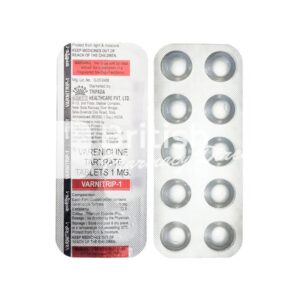
Varenicline (Champix) is one of the most effective smoking cessation aids available in the UK. It works by partially activating nicotine receptors in the brain whilst blocking the effects of nicotine from cigarettes. This reduces cravings and withdrawal symptoms whilst making smoking less rewarding. Treatment typically lasts 12 weeks, with many users reporting significant success rates.
Bupropion (Zyban) is an antidepressant medication that reduces nicotine cravings and withdrawal symptoms. It’s particularly helpful for people with a history of depression or those who haven’t succeeded with other methods. The typical course lasts 7-9 weeks, though your GP may recommend extending treatment.
Both medications have different side effect profiles, so your GP will help determine which is most suitable for your individual circumstances, medical history, and previous quit attempts.
Behavioural Support and Counselling
Medication alone isn’t always sufficient for successful smoking cessation. Behavioural support addresses the psychological and habitual aspects of smoking addiction. The NHS offers free support through local stop smoking services, which are available across England, Scotland, Wales, and Northern Ireland.
Cognitive behavioural therapy (CBT) helps you identify triggers, develop coping strategies, and challenge the thoughts and beliefs that maintain your smoking habit. This structured approach has excellent evidence for preventing relapse.
One-to-one counselling provides personalised support tailored to your specific circumstances, challenges, and motivations for quitting. Regular sessions help maintain motivation and provide practical strategies for managing cravings and difficult situations.
Group support sessions connect you with others on the same quitting journey, providing motivation, shared experiences, and practical advice. Many people find this social aspect invaluable for sustained success.
Your local pharmacy can provide brief interventions and advice, plus help in choosing appropriate medications. Many pharmacists are trained in smoking cessation and can provide ongoing support throughout your quit attempt.
Combination Therapy Approaches
Research demonstrates that combining different treatments significantly improves quit rates compared to single treatments alone. Your healthcare provider can recommend the most effective combination for your situation.
Using NRT patches as a background treatment combined with shorter-acting NRT—such as gum or lozenges—for breakthrough cravings provides comprehensive coverage. This dual approach addresses both background nicotine dependence and acute craving episodes.
Combining prescription medications like varenicline or bupropion with behavioural support creates a powerful synergy. The medication reduces physical cravings whilst counselling addresses psychological dependence and triggers.
Many successful quitters use medication plus counselling plus lifestyle changes together, creating multiple approaches to tackle different aspects of addiction. Your GP or local stop smoking service can help develop a personalised combination plan based on your smoking history, previous attempts, and personal preferences.
Staying Smoke-Free and Preventing Relapse
Successfully quitting is just the beginning; staying smoke-free requires ongoing commitment and strategies. Most relapses occur within the first three months, making this period particularly critical for support and vigilance.
Identify your personal triggers—situations, emotions, or people associated with smoking urges—and develop specific strategies to manage them. Common triggers include stress, social situations, or after meals, and having predetermined coping techniques reduces relapse risk.
Maintain regular contact with your healthcare provider or local stop smoking service during the critical early weeks and months. Follow-up appointments help address emerging challenges, adjust medications if needed, and provide encouragement.
Celebrate milestones and acknowledge the money you’re saving by not buying cigarettes. Reward yourself with these savings, whether through activities, treats, or longer-term investments. This positive reinforcement strengthens your commitment to remaining smoke-free.
Join online communities or apps designed for ex-smokers, providing ongoing support, motivation, and shared experiences. Knowing you’re not alone in maintaining abstinence provides psychological benefit and practical strategies from others’ experiences.
Remember that occasional cravings don’t mean failure; they’re normal and usually pass within minutes. Most successfully quit smokers report occasional temptation years after quitting, but having strategies and support helps maintain your smoke-free status permanently.