
Muscle Relaxant
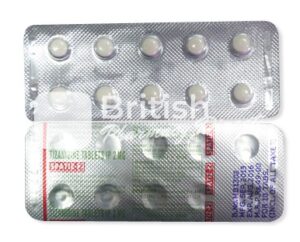
Tizanidine
from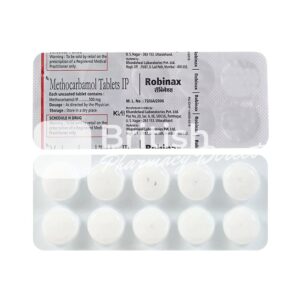
Robaxin
from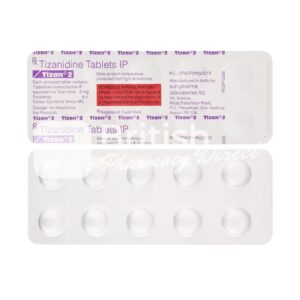
Zanaflex
from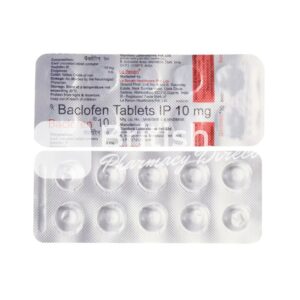
Baclofen
fromUnderstanding Muscle Relaxants: What They Are and How They Work
Muscle relaxants are medications designed to alleviate muscle tension, stiffness, and spasms. They work by affecting the central nervous system or directly targeting muscle fibres to reduce involuntary muscle contractions. These medications are commonly prescribed for conditions such as back pain, neck strain, sports injuries, and muscle injuries resulting from accidents or trauma.
There are two primary types of muscle relaxants available: those that work centrally by depressing the central nervous system, and those that act directly on muscle fibres. Central-acting relaxants are the most commonly prescribed and include medications that help reduce pain signals between nerves and muscles. They are particularly effective for acute muscle spasms and can provide significant relief within hours of taking them.
Muscle relaxants are typically used for short-term treatment, usually lasting between two to three weeks. However, some patients may require longer-term management, depending on their condition. These medications are often combined with physiotherapy, stretching exercises, and other pain management techniques for optimal results. It’s important to understand that muscle relaxants don’t treat the underlying cause of muscle problems; instead, they provide symptomatic relief whilst the body heals.
Common Conditions Treated with Muscle Relaxants
Muscle relaxants are prescribed for various musculoskeletal conditions that cause discomfort and restricted movement. One of the most common uses is for acute lower back pain, which affects millions of people in the United Kingdom each year. Back strains from lifting heavy objects, poor posture, or sudden movements respond well to muscle relaxant therapy.
Neck pain and cervical strain are another frequent reason for prescribing these medications. Conditions such as whiplash injuries, poor ergonomics at work, and stress-related tension in the neck and shoulders often benefit from muscle relaxant treatment. Patients typically experience relief from stiffness and improved range of motion within a few days of starting medication.
Sports injuries and muscle tears are commonly managed with muscle relaxants. Whether from football, running, gym training, or other physical activities, acute muscle injuries cause painful spasms that respond well to these medications. Additionally, muscle relaxants are used for fibromyalgia, a chronic condition characterised by widespread musculoskeletal pain and fatigue.
Cerebral palsy, multiple sclerosis, and other neurological conditions that cause muscle stiffness may also be treated with specific muscle relaxants. Patients with arthritis-related muscle tension and those recovering from surgery frequently receive these medications as part of their pain management plan. Post-operative muscle spasms are particularly common and respond well to short-term muscle relaxant therapy.
Popular Muscle Relaxant Medications Available in the United Kingdom
Several effective muscle relaxants are available through NHS prescription and private pharmacies across the United Kingdom. Diclofenac is one of the most widely prescribed options, often combined with paracetamol for enhanced pain relief. This medication is particularly popular for treating acute musculoskeletal pain and is available in tablet and injection forms.
Naproxen is another commonly prescribed muscle relaxant that works by reducing inflammation alongside muscle tension. It’s often recommended for conditions where inflammation is a significant component of the pain. Ibuprofen, available both over-the-counter and on prescription at higher doses, is frequently used for mild to moderate muscle-related pain and is often the first choice for many patients.
Baclofen is a centrally-acting muscle relaxant frequently prescribed for more severe spasms, particularly those associated with neurological conditions. It’s available in tablet form and is typically used when other treatments haven’t provided sufficient relief. Tizanidine is another prescription option that provides effective muscle relaxation, particularly for patients with chronic muscle tension.
Additional options include:
- Methocarbamol – prescribed for acute musculoskeletal conditions and severe muscle spasms
- Carisoprodol – available through prescription, used selectively due to dependence potential
- Paracetamol formulations – often recommended as first-line treatment for mild to moderate muscle pain
- Topical creams – available over-the-counter for localised relief
Usage Guidelines and Dosage Information
Proper usage of muscle relaxants is essential for achieving maximum benefit whilst minimising potential side effects. Most muscle relaxants are taken orally in tablet form, typically two to four times daily, depending on the specific medication and severity of symptoms. The initial dose is usually lower, with gradual increases if needed, allowing the body to adjust to the medication.
The duration of treatment typically ranges from two to three weeks for acute conditions, though some patients may require extended therapy. It’s crucial to follow your healthcare provider’s instructions regarding dosage and frequency, as exceeding recommended doses can lead to adverse effects. Never adjust your dose without consulting your doctor, even if you feel the medication isn’t working effectively.
Taking muscle relaxants with food can help prevent stomach upset, which is a common side effect. It’s important to maintain consistent timing when taking these medications to ensure steady levels in your system. If you forget a dose, take it as soon as you remember, unless it’s almost time for your next dose. In that case, skip the missed dose and resume your normal schedule.
Combining muscle relaxants with other medications requires careful consideration. Always inform your healthcare provider about all medications, supplements, and herbal remedies you’re taking. Certain combinations can reduce effectiveness or increase side effects, making professional guidance essential. Most muscle relaxants should not be taken with alcohol, as this combination significantly increases drowsiness and impairs cognitive function.
Potential Side Effects and Safety Considerations
Like all medications, muscle relaxants can cause side effects, though many patients tolerate them well. The most common side effect is drowsiness, which typically decreases after the first few days of treatment. Due to this effect, it’s recommended to avoid driving or operating machinery until you understand how the medication affects you.
Dizziness and lightheadedness are frequently reported, particularly when first starting treatment or after dose increases. Rising slowly from a sitting or lying position can help minimise these effects. Some patients experience headaches, nausea, or dry mouth, which are usually mild and temporary. If these symptoms persist or worsen, contact your healthcare provider.
More serious side effects are rare but require immediate medical attention. These include severe allergic reactions, difficulty breathing, chest pain, or signs of liver problems such as jaundice or persistent abdominal pain. Muscle relaxants should not be used by people with certain medical conditions, including severe liver or kidney disease, or those with a history of drug dependence.
Pregnant women should avoid most muscle relaxants unless specifically prescribed by their doctor, as some may affect foetal development. Those breastfeeding should also consult their healthcare provider before using these medications. Older adults may be more sensitive to muscle relaxants and often require lower doses. Long-term use can lead to dependence with some medications, so these are typically prescribed for short-term relief only.
Tips for Maximising Muscle Relaxant Effectiveness
Combining medication with other therapeutic approaches significantly enhances overall outcomes when treating muscle problems. Gentle stretching exercises, when approved by your healthcare provider or physiotherapist, help maintain flexibility and prevent future muscle tension. Regular movement and activity, rather than complete rest, promotes healing and strengthens supporting muscles.
Applying heat to affected areas before exercise or activity helps relax muscles and improve circulation. Cold therapy following activity can reduce inflammation and muscle soreness. Many patients find that alternating between heat and cold provides optimal relief. Maintaining good posture throughout the day prevents unnecessary muscle strain and reduces the likelihood of recurring problems.
Stress management techniques such as relaxation exercises, meditation, or yoga can significantly reduce muscle tension, particularly in the neck and shoulders. Adequate sleep is crucial for muscle recovery and healing, so establishing good sleep habits supports treatment effectiveness. Ensuring your workspace and home environment are ergonomically correct prevents unnecessary strain on muscles.
Regular physiotherapy sessions provide professional guidance on exercises and stretches tailored to your specific condition. Professional massage therapy can provide additional muscle relaxation and pain relief when combined with medication. Staying well-hydrated supports muscle function and recovery, whilst a balanced diet provides essential nutrients for tissue repair. If symptoms persist despite medication and conservative treatment, consult your healthcare provider about alternative treatment options or underlying conditions that may require further investigation.