
Men's Health

Propecia
from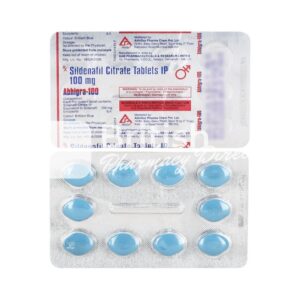
Abhigra
from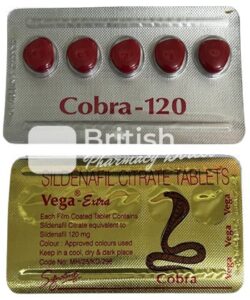
Cobra-120
from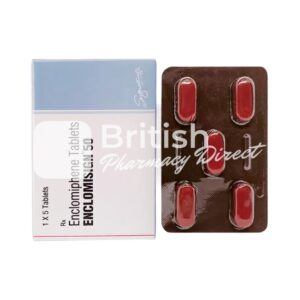
Androxal
from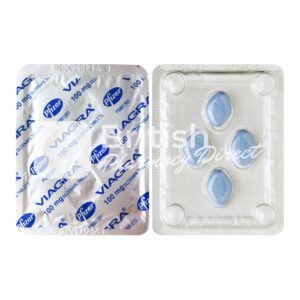
Brand Viagra
from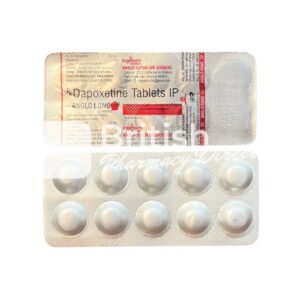
Priligy
from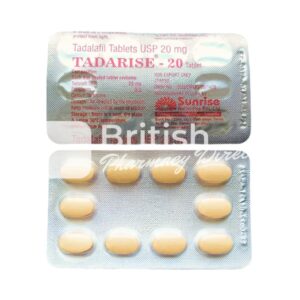
Tadarise
from
Kamagra Chewable
from
Eriacta
from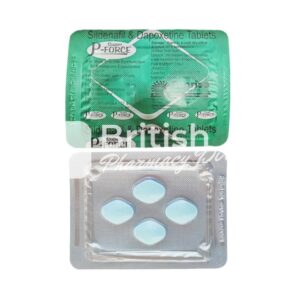
Viagra With Dapoxetine
from
Cialis
from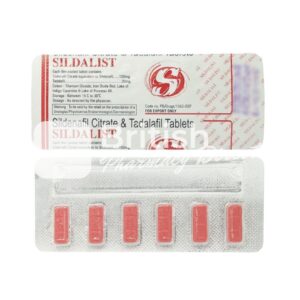
Sildalis
from
Kamagra Oral Jelly Vol-1
from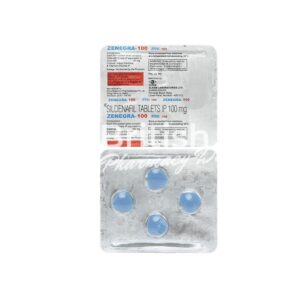
Zenegra
from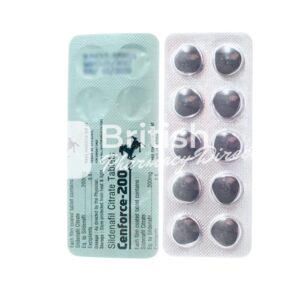
Viagra Black
from
Kamagra
fromSexual Health & Performance
Sexual health is a vital aspect of men’s wellbeing that affects confidence and relationships. Many men experience occasional concerns with erectile function or stamina, which is perfectly normal and treatable.
What is erectile dysfunction?
Erectile dysfunction (ED) is the inability to achieve or maintain an erection suitable for sexual activity. It can result from physical factors such as cardiovascular issues, diabetes, or hormonal imbalances, as well as psychological factors including stress and anxiety. The condition is more common than many men realise, affecting millions across the UK.
Available treatments
The most popular prescription medications include Viagra, Cialis, and Levitra. These phosphodiesterase type 5 inhibitors work by improving blood flow to the penis. Viagra typically works within 30–60 minutes and lasts up to 4 hours. Cialis offers a longer duration, working for up to 36 hours, making it suitable for spontaneous activity. We also stock generic versions such as sildenafil and tadalafil, offering more affordable alternatives with identical effectiveness.
Premature ejaculation solutions
Premature ejaculation affects many men and can be addressed through various approaches. Topical anaesthetic sprays and creams containing lidocaine can help desensitise the area. Oral medications like dapoxetine are specifically designed for this concern and are available in the UK market.
Sexual health advice
Maintaining good sexual health involves regular exercise, stress management, and open communication with partners. A healthy diet rich in antioxidants supports cardiovascular function, which is essential for sexual performance.
Prostate Health
The prostate is a small gland that plays an important role in male reproductive health. As men age, prostate concerns become increasingly common and should be monitored regularly.
Understanding prostate conditions
Benign Prostatic Hyperplasia (BPH) is an enlargement of the prostate gland that affects urinary function. Symptoms include frequent urination, weak urine flow, and difficulty emptying the bladder completely. This condition is extremely common in older men and is not life-threatening, though it requires proper management.
Medications for prostate health
Finasteride is a widely prescribed medication that reduces prostate size and improves urinary symptoms. Tamsulosin, another popular option, relaxes muscles in the prostate and bladder neck to improve urine flow. Both medications are available on prescription in the UK and have proven effective for many men. Saw palmetto supplements are also available as a natural alternative, though results vary between individuals.
Preventative measures
Regular health check-ups including PSA testing are recommended, particularly for men over 50 or those with a family history of prostate issues. Maintaining a healthy weight, exercising regularly, and consuming a diet rich in lycopene and selenium supports long-term prostate health.
When to seek medical advice
Any changes in urinary habits, blood in urine, or persistent discomfort should be reported to a healthcare professional promptly. Early detection and treatment of prostate conditions significantly improve outcomes.
Hair Loss & Hair Restoration
Hair loss is a common concern affecting many men and can impact self-confidence. Fortunately, several effective treatments are available to slow hair loss or promote regrowth.
Types of male hair loss
Male pattern baldness (androgenetic alopecia) is the most common form, affecting approximately half of all men by age 50. It results from genetic sensitivity to DHT (dihydrotestosterone), a hormone derived from testosterone. Other causes include stress, nutritional deficiencies, and certain medical conditions.
Prescription treatments
Finasteride, marketed as Propecia, is an oral medication that blocks DHT production and has been clinically proven to slow hair loss and promote regrowth. Minoxidil, available as Regaine, is a topical solution applied directly to the scalp that stimulates hair follicles. Both treatments require consistent use and show best results when started early.
Over-the-counter options
Minoxidil is available without prescription in various strengths and formulations. Specialised shampoos, conditioners, and topical treatments containing active ingredients can support hair health. Nutritional supplements containing biotin, zinc, and saw palmetto may help support healthy hair growth.
Hair transplantation and other solutions
For men seeking more permanent solutions, hair transplant surgery is available through private clinics across the UK. Low-level laser therapy is another option gaining popularity. Consulting a dermatologist helps determine the most suitable treatment plan for individual circumstances.
Testosterone & Hormonal Health
Testosterone is the primary male hormone responsible for sexual function, muscle development, bone density, and overall wellbeing. Declining testosterone levels can significantly impact men’s health and quality of life.
Symptoms of low testosterone
Low testosterone, or hypogonadism, can cause fatigue, reduced libido, difficulty achieving erections, decreased muscle mass, increased body fat, and mood changes including depression. Many men attribute these symptoms to ageing without realising they could be hormone-related and treatable.
Testing and diagnosis
A simple blood test can measure testosterone levels. If levels are below the normal range (typically 300–1000 ng/dL), further investigation and treatment may be recommended. Testing should ideally occur in the morning when testosterone levels are naturally highest.
Testosterone replacement therapy
Testosterone replacement is available through the NHS for men with clinically confirmed low testosterone. Options include gels applied to skin, injections, patches, and tablets. Each method has different absorption rates and duration of action. Treatment is carefully monitored through regular blood tests to ensure optimal dosing.
Supporting natural testosterone production
Exercise, particularly resistance training, naturally boosts testosterone levels. Adequate sleep, stress reduction, and maintaining a healthy weight all contribute to hormonal balance. Zinc-rich foods and vitamin D supplements support natural testosterone production.
Urinary Health & Incontinence
Urinary health is an often overlooked aspect of men’s wellbeing. Various conditions can affect urination and bladder control, impacting daily life and confidence.
Common urinary concerns
Urinary incontinence, weak urine flow, and frequent nighttime urination (nocturia) are prevalent issues affecting many men. These can result from prostate enlargement, urinary tract infections, neurological conditions, or age-related changes.
Treatment options
Alpha-blockers like tamsulosin relax bladder muscles and are commonly prescribed for urinary symptoms. Antimuscarinic medications help reduce urgency and frequency. Antibiotics treat urinary tract infections when bacterial infection is confirmed. Management strategies include:
- Prescription medications tailored to specific symptoms
- Pelvic floor exercises to strengthen bladder control
- Lifestyle modifications including caffeine and alcohol reduction
- Regular monitoring and follow-up with healthcare professionals
Lifestyle management
Pelvic floor exercises strengthen muscles that control urination. Reducing caffeine and alcohol intake, particularly before bed, helps manage symptoms. Maintaining adequate hydration supports overall urinary health, despite seeming counterintuitive.
When to consult a healthcare provider
Persistent changes in urinary patterns, pain during urination, blood in urine, or inability to empty the bladder completely warrant medical evaluation. Early intervention prevents complications and improves quality of life.
General Wellness & Preventative Care
Maintaining overall health is fundamental to men’s wellbeing and disease prevention. Proactive healthcare approaches significantly reduce the risk of serious health conditions.
Nutritional support
Multivitamins and mineral supplements fill nutritional gaps in modern diets. Omega-3 supplements support heart health and cognitive function. Vitamin D is particularly important for bone health and immune function, especially relevant during winter months in the UK.
Cardiovascular health
Heart disease remains a leading cause of death among men. Regular exercise, a balanced diet, weight management, and stress reduction are essential. Supplements containing CoQ10 and hawthorn may provide additional cardiovascular support alongside medical treatment when recommended.
Mental health and stress management
Men’s mental health deserves equal attention to physical health. Anxiety and depression require professional support. Supplements containing L-theanine, magnesium, or herbal preparations like valerian root may support relaxation when used appropriately.
Regular health screenings
Annual check-ups, blood pressure monitoring, cholesterol testing, and age-appropriate cancer screenings are crucial preventative measures. Men should discuss family medical history with their GP to identify personal risk factors.
Healthy lifestyle choices
Regular physical activity, adequate sleep, limiting alcohol consumption, and avoiding smoking are cornerstone habits for long-term health. These foundational practices prevent numerous age-related conditions and maintain vitality throughout life.