
Hair Loss
Understanding Hair Loss: Causes and Types
Hair loss, medically known as alopecia, affects millions of people across the United Kingdom. Understanding the different types and causes is the first step towards finding an effective solution. Hair loss can occur gradually or suddenly, and it may be temporary or permanent depending on the underlying cause.
The most common type is male pattern baldness, which accounts for the majority of hair loss cases in men. Female pattern baldness is equally prevalent in women, though it manifests differently. Other types include telogen effluvium, which occurs after physical or emotional stress, and alopecia areata, an autoimmune condition causing patchy hair loss.
Common causes of hair loss include:
- Genetics and hereditary factors
- Hormonal changes and imbalances
- Nutritional deficiencies
- Stress and emotional trauma
- Certain medical conditions
- Medications and their side effects
- Age-related changes
Age plays a significant role, as hair loss becomes more common after the age of 50. Medications used for treating other conditions can sometimes trigger hair loss as a side effect. Identifying the root cause of your hair loss is essential for determining the most effective treatment approach.
Medical Treatments Available in the UK
The United Kingdom offers several proven pharmaceutical treatments for hair loss. These medications work through different mechanisms to either slow hair loss or promote regrowth.
Minoxidil
Minoxidil is one of the most widely available over-the-counter treatments. It comes in various strengths and formulations, including topical solutions and foams. Brands such as Regaine are readily available in UK pharmacies without prescription. Minoxidil works by increasing blood flow to hair follicles and extending the growth phase of hair, making it suitable for both men and women.
Finasteride
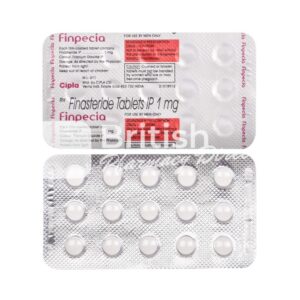
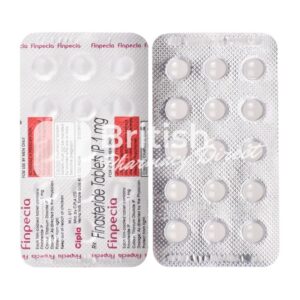
Finasteride, commonly known by the brand name Propecia, is a prescription medication specifically designed for male pattern baldness. It works by reducing DHT levels, a hormone responsible for hair loss in genetically predisposed individuals. This medication has shown significant results in clinical studies and is available through NHS prescriptions in certain circumstances or privately through online consultations.
Dutasteride
Dutasteride works similarly to finasteride but may be more effective for some patients. Though not officially licensed for hair loss in the UK, it is sometimes prescribed off-label by specialists for those who do not respond adequately to other treatments.
Additional pharmaceutical treatments include topical corticosteroids for alopecia areata and other inflammatory conditions. Shampoos containing ketoconazole may provide supplementary benefits when used alongside primary treatments.
Natural and Nutritional Approaches
Alongside medical treatments, nutritional and natural approaches can support hair health and potentially reduce hair loss. A balanced diet rich in essential nutrients is fundamental to maintaining healthy hair growth.
Key Nutrients for Hair Health
Essential nutrients including biotin, iron, zinc, vitamin D, and protein are vital for strong, healthy hair. Biotin supplements are popular in the UK and may strengthen hair structure. Iron deficiency is a common cause of hair loss, particularly in women, making iron supplementation an important consideration for those with identified deficiencies.
Herbal Remedies
Herbal remedies have been used traditionally for hair loss treatment. Saw palmetto is believed to work similarly to finasteride by reducing DHT levels. Though research is ongoing, many people in the UK use saw palmetto supplements as a natural alternative or complement to medical treatments.
Scalp Care and Lifestyle
Scalp care and massage may improve blood circulation to hair follicles. Regular scalp massages for five to ten minutes daily can enhance nutrient delivery to the hair root. Using gentle, sulphate-free shampoos and conditioners helps maintain scalp health and prevents further damage to existing hair.
Lifestyle modifications including stress reduction, adequate sleep, and regular exercise support overall hair health. Stress management through meditation, yoga, or other relaxation techniques may help reduce telogen effluvium and other stress-related hair loss.
Hair Loss in Women: Specific Considerations
Female hair loss presents unique challenges and requires tailored approaches. Women experiencing hair loss often face different causes and treatment options compared to men.
Female pattern hair loss typically involves thinning across the crown and top of the scalp rather than defined bald patches. Hormonal fluctuations during menopause, pregnancy, and after childbirth commonly trigger temporary or prolonged hair loss. Polycystic ovary syndrome (PCOS) is another hormonal condition frequently associated with hair loss in women.
Treatment Options for Women
Minoxidil is approved for female use and available over-the-counter in UK pharmacies. Whilst finasteride is not recommended for women of childbearing age due to potential side effects, some specialists may prescribe it to post-menopausal women. Hormonal treatments such as oral contraceptives or spironolactone may be prescribed to address hormonal imbalances contributing to hair loss.
Hair Styling Practices
Hair styling practices significantly impact female hair loss. Avoiding tight hairstyles, excessive heat styling, and chemical treatments reduces mechanical damage and traction alopecia. Using heat protection sprays and taking regular breaks from styling tools helps preserve hair integrity and prevent unnecessary damage.
Advanced Treatments and Professional Options
For those seeking more advanced solutions, several professional treatments are available throughout the United Kingdom.
Hair Transplant Surgery
Hair transplant surgery remains the most permanent solution for pattern baldness. Two main techniques are used: follicular unit transplantation (FUT) and follicular unit extraction (FUE). These procedures involve transplanting healthy hair follicles from donor areas to balding regions. Results are often excellent, though costs can be substantial and not typically covered by NHS.
Low-Level Laser Therapy
Low-level laser therapy (LLLT) uses specific light wavelengths to stimulate hair follicles. Devices such as laser combs and caps are available for home use, whilst clinical treatments can be obtained at specialist clinics across the UK. Research suggests mixed results, but some patients report positive outcomes.
Platelet-Rich Plasma and Mesotherapy
Platelet-rich plasma (PRP) therapy involves injecting concentrated platelets from your own blood into the scalp. This relatively new treatment is available at private clinics and shows promise for stimulating hair growth. Multiple sessions are typically required. Mesotherapy uses microinjections of vitamins, minerals, and medications directly into the scalp and may be combined with other therapies for enhanced results.
Choosing the Right Treatment Plan
Selecting an appropriate hair loss treatment depends on individual factors including the type and severity of hair loss, medical history, budget, and personal preferences.
Consulting healthcare professionals is essential before starting any treatment. A GP can assess your hair loss, rule out underlying medical conditions, and recommend appropriate options. Dermatologists specialising in hair disorders can provide comprehensive evaluations and guidance tailored to your specific needs.
Starting early is particularly important, as treatments are generally more effective when hair loss is in early stages. Early intervention can prevent further progression and achieve better outcomes. Combining treatments often yields superior results, with many people using minoxidil alongside finasteride or incorporating nutritional supplements and lifestyle changes.
Patience and consistency are crucial, as most treatments require three to six months before noticeable results appear. Discontinuing treatment typically results in hair loss resuming, so long-term commitment is necessary. Monitoring progress through regular check-ins with your healthcare provider ensures your treatment plan remains effective, with adjustments made if needed.
The journey to managing hair loss is personal and often requires experimentation to find what works best for you. With numerous options available in the United Kingdom, from over-the-counter products to prescription medications and professional treatments, most people can find an effective solution suited to their needs and circumstances.