
COVID-19
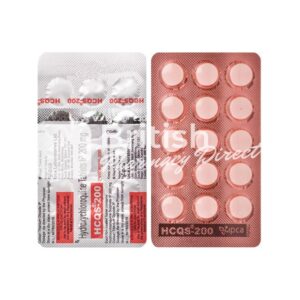
Hydroxychloroquine
from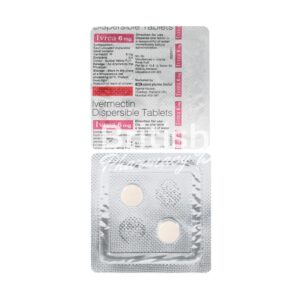
Ivermectin
from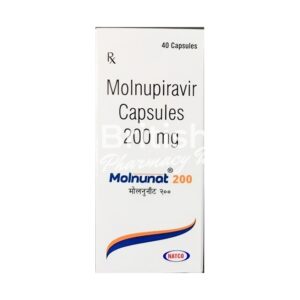
Lagevrio
from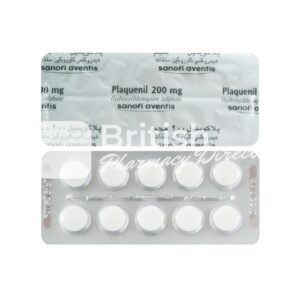
Plaquenil
from
Stromectol
from
Zithromax
fromUnderstanding COVID-19 and Its Symptoms
COVID-19 is a respiratory illness caused by the SARS-CoV-2 virus that emerged in late 2019. The condition can range from mild to severe, with symptoms typically appearing between 2 to 14 days after exposure to the virus. Common symptoms include a persistent dry cough, fever, fatigue, and loss of taste or smell. Some people may experience shortness of breath, chest pain, or difficulty breathing, which requires immediate medical attention.
Most people infected with COVID-19 experience mild to moderate symptoms and recover without hospitalisation. However, older adults and people with underlying medical conditions are at higher risk of developing severe illness. Understanding the symptoms early helps you seek appropriate treatment and prevent transmission to others in your household or community. If you suspect you have COVID-19, it’s recommended to take a lateral flow test or book a PCR test to confirm the diagnosis.
COVID-19 Prevention and Management
Prevention remains the most effective approach to managing COVID-19. Regular hand washing with soap and water for at least 20 seconds significantly reduces transmission risk. Maintaining good respiratory hygiene by covering your mouth and nose when coughing or sneezing helps protect those around you. When you’re unwell, it’s best to stay at home to avoid spreading the virus to vulnerable individuals.
Vaccination is one of the most important preventive measures available. The COVID-19 vaccines offered through the NHS have been proven safe and effective at reducing severe illness and death. If you’ve tested positive for COVID-19, isolation is crucial. The current guidance recommends staying at home for at least five days if you have symptoms or have tested positive. During this period, you should avoid close contact with other people, especially those who are vulnerable.
Over-the-Counter Treatments Available in the UK
Several over-the-counter medications can help manage COVID-19 symptoms whilst you recover at home. Paracetamol and ibuprofen are commonly used to reduce fever and relieve aches and pains. You should follow the recommended dosage on the packaging and never exceed the maximum daily dose. These medications can help make you more comfortable whilst your immune system fights the infection.
A range of symptom relief options are available at your local pharmacy:
- Cough syrups containing ingredients like dextromethorphan to provide relief from persistent cough symptoms
- Throat lozenges with soothing ingredients to ease throat discomfort and irritation
- Antihistamines and decongestants to help with nasal congestion and related symptoms
- Vitamin C supplements and zinc lozenges, though evidence for their effectiveness varies
- Saline nasal sprays and steam inhalation products for respiratory comfort
Always read the product labels carefully and consult a pharmacist if you’re unsure about any medication, particularly if you’re taking other prescribed medicines or have underlying health conditions.
Prescription Medications for COVID-19
For people at higher risk of severe COVID-19, the NHS may prescribe specific antiviral treatments. These medications work best when taken early in the infection, typically within five days of symptom onset. Molnupiravir is an oral antiviral medication that can reduce the risk of hospitalisation in high-risk patients. It’s particularly useful for those who cannot receive vaccinations or have weakened immune systems.
Paxlovid (nirmatrelvir with ritonavir) is another prescription antiviral treatment available through the NHS for eligible patients. This combination therapy has shown significant effectiveness in reducing severe illness and hospitalisation rates. Your GP will assess your individual circumstances to determine whether antiviral treatment is appropriate for you. If you’re eligible, early treatment is essential for maximum benefit. Additionally, monoclonal antibody treatments may be available for certain patient groups. These treatments help your body’s immune system fight the virus more effectively and are administered in specialist settings.
Supporting Your Recovery at Home
When managing COVID-19 at home, maintaining proper hydration is essential. Drink plenty of fluids including water, herbal tea, broth, or electrolyte drinks to help prevent dehydration, which can worsen symptoms. Rest is equally important—allow your body adequate time to recover by getting plenty of sleep and avoiding strenuous activity.
Ensure good ventilation in your home by opening windows regularly to allow fresh air circulation. If you share your home with others, try to isolate in a separate room and use a separate bathroom if possible. Wear a face mask when you need to be around others in your household. Monitor your symptoms closely and seek medical help if you experience difficulty breathing, persistent chest pain, confusion, or inability to wake or stay awake. The NHS 111 service is available for medical advice if you’re concerned about your symptoms. Keep a thermometer handy to monitor your temperature, and maintain a record of any symptoms for your healthcare provider if needed.
When to Seek Medical Help and Additional Support
Most people recover from COVID-19 without medical intervention, but certain situations require professional healthcare advice. Seek immediate emergency care if you experience severe breathing difficulties, persistent chest pain, new confusion, inability to stay awake, or blue-tinged lips or face. Call 999 or go to your nearest accident and emergency department in these cases.
Contact NHS 111 for advice if you’re concerned about your symptoms or if they’re not improving after a reasonable period. This service provides guidance on whether you need to see a healthcare professional. Long COVID, also known as post-COVID condition, affects some people who continue experiencing symptoms weeks or months after initial infection. If you’re struggling with ongoing fatigue, shortness of breath, or other persistent symptoms, your GP can provide support and referrals to specialist services if needed. The NHS offers support services for people recovering from COVID-19, including rehabilitation programmes and mental health support. Don’t hesitate to reach out to your healthcare provider if you need additional assistance during your recovery journey.