Bupropion
In brief
- Bupropion is a prescription-only medicine (POM) in the UK.
- Bupropion is licensed in the UK as an aid to smoking cessation (Zyban) and is also used off-label for depression. It is a norepinephrine-dopamine reuptake inhibitor (NDRI), meaning it increases the levels of noradrenaline and dopamine in the brain.
- The usual dose for smoking cessation is 150 mg once daily for 6 days, then 150 mg twice daily. Always follow the prescribed regimen.
- The form of administration is an oral prolonged-release (SR) tablet, 150 mg.
- Bupropion does not work immediately. Some people notice early changes within 1–2 weeks, but the full antidepressant effect may take several weeks; for smoking cessation, it is usually started 1–2 weeks before the quit date.
- The prolonged-release tablet acts for around 12 hours, which is why it is taken twice daily after the first week.
- Do not drink alcohol while taking bupropion, or keep it to a minimum. Alcohol can increase the risk of side effects and seizures, and sudden alcohol withdrawal is a contraindication.
- The most common side effects are insomnia, dry mouth, dizziness, anxiety or agitation, nausea, sweating, tremor, and sometimes weight loss.
- Would you like to try bupropion without a prescription?
Basic bupropion information
- INN (international nonproprietary name): Bupropion (amfebutamone)
- Brand names available in the United Kingdom: Zyban
- ATC code: N06AX12
- Forms and dosages: Prolonged-release tablets 150 mg (Zyban)
- Manufacturers in the United Kingdom: GlaxoSmithKline
- Registration status in the United Kingdom: Licensed by the MHRA (Zyban, smoking cessation); prescription-only (Rx)
- OTC / Rx classification: Prescription-only (Rx)
Safety first: who bupropion is not suitable for, and when to seek urgent help
High-risk groups and absolute contraindications
Bupropion should only be used after prescription and clinical review in the UK.
It is not suitable for anyone with a seizure disorder or a history of seizure.
It must not be used with a current or recent MAOI, including use within the last 14 days.
It is also contraindicated in bulimia nervosa or anorexia nervosa, after abrupt alcohol, benzodiazepine, or barbiturate withdrawal, and in anyone allergic to bupropion or any excipients.
Before treatment, a quick checklist helps protect patients and prescribers.
- Any seizures now or in the past.
- Any MAOI use in the last 14 days.
- Any eating disorder history.
- Any recent alcohol or sedative withdrawal.
- Any known allergy to bupropion products.
- Any head injury, CNS tumour, cardiovascular disease, hypertension, kidney disease, or liver disease.
- Any medicines that may lower the seizure threshold, such as antipsychotics or tramadol.
Extra caution is needed in older adults, people with head trauma or CNS tumours, and patients with renal or hepatic impairment.
Activities, safety, and when to call for help
Insomnia, agitation, dizziness, and the small but important seizure risk mean extra care is needed with driving, machinery, and safety-critical work.
If severe symptoms occur, contact NHS 111, urgent care, or 999 for seizures, collapse, chest symptoms, or an allergic reaction.
Bupropion is a prescription-only medicine in the UK, and MHRA and NHS safety advice frames it as a medicine that needs proper screening and counselling.
In our online pharmacy, bupropion is available without a prescription, with discreet delivery to the United Kingdom in 9–21 days.
Q&A — Can I drive after taking it in the UK?
Only if you are not dizzy, drowsy, agitated, or otherwise impaired, and you remain legally fit to drive.
INN, classification, and familiar brand names patients may see
What bupropion is
Bupropion is the INN, and amfebutamone is the alternative regulatory name sometimes used.
It is an NDRI, or norepinephrine-dopamine reuptake inhibitor, rather than an SSRI or SNRI.
- INN
- Bupropion
- ATC code
- N06AX12
- Mechanism
- Norepinephrine-dopamine reuptake inhibition
- Prescription status
- Prescription-only (Rx)
UK-relevant brand context
Zyban is the best-known UK brand for smoking cessation, and it comes as SR 150 mg tablets in blister packs of 60.
How it is regulated and accessed through UK care
MHRA, NHS, and prescription status
Bupropion is prescription-only in the UK, which means a pharmacist should only dispense it with appropriate prescribing oversight.
In the UK, bupropion (Zyban) is licensed as an aid to smoking cessation; use for depression is off-label in the UK.
NHS prescription pathways
Patients may be assessed by a GP, a smoking-cessation service, or a specialist before treatment is started.
E-prescriptions and pharmacist counselling are part of everyday UK practice, so dosage timing, side effects, and stopping advice should be explained clearly at the point of supply.
| Access route | Who can prescribe | Typical patient steps |
|---|---|---|
| GP | General practitioner | Assessment, suitability check, prescription, dispensing, counselling |
| Smoking cessation service | Trained prescriber or NHS service clinician | Quit plan, start date, prescription, follow-up support |
| Specialist review | Consultant or specialist prescriber | Condition review, medicine choice, monitoring plan |
Main indications, realistic expectations, and NHS vs private use
MHRA-approved and commonly used indications
In the UK, bupropion is used for smoking cessation as Zyban.
Use for depression is off-label in the UK, and it is not approved for anxiety disorders.
Off-label and specialist use
Some private or specialist settings may use bupropion off-label where a clinical reason exists, but that should never be treated as a routine self-start medicine.
Benefits may take time, and response varies from person to person.
- Smoking cessation: best known as Zyban for stopping smoking.
- Depression: off-label in the UK, specialist decision.
- Off-label uses: specialist-only decisions.
- Different medicine needed: if response is poor or side effects are troublesome.
Simple explanation for patients, plus clinical terminology
Mechanism in plain English
Bupropion helps by affecting noradrenaline and dopamine signalling in the brain.
That is why it feels different from SSRIs, and why it may suit some people better when sexual side effects or weight gain from other antidepressants are a concern.
It is used in stop-smoking plans because the same mechanism can help with withdrawal and cravings.
Clinical explanation
NDRI means the medicine reduces reuptake of noradrenaline and dopamine, leaving more of these neurotransmitters available for signalling.
That matters because dopamine is linked with reward and drive, noradrenaline with alertness and energy, and withdrawal cravings with the urge to smoke or the loss of motivation that some patients notice early on.
- Dopamine
- A neurotransmitter involved in reward, motivation, and pleasure
- Noradrenaline
- A neurotransmitter linked with alertness and energy
- NDRI
- A medicine that blocks reuptake of noradrenaline and dopamine
- Withdrawal cravings
- The urge or discomfort that appears when nicotine is reduced or stopped
Tablets, strengths, and what patients may actually be dispensed
Available formulations
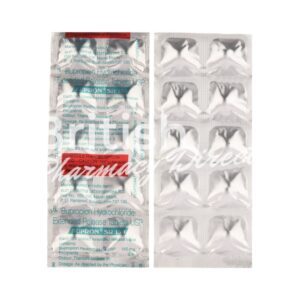
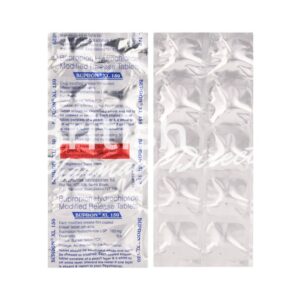
In the UK, bupropion is supplied as Zyban 150 mg prolonged-release (SR) tablets in blister packs.
Practical dispensing notes
Prolonged-release tablets should be swallowed whole, because splitting or crushing can alter release and increase side-effect risk.
| Form | Strength | Usual frequency | Common use | Patient advice |
|---|---|---|---|---|
| Prolonged-release (SR) | 150 mg | Once or twice daily | Smoking cessation | Swallow whole |
UK-facing dosing summary for Zyban and quit plans
Typical regimen
The usual smoking-cessation regimen is 150 mg once daily for 6 days, then 150 mg twice daily from day 7.
The quit date is usually set 1 to 2 weeks after starting, and the course is typically 7 to 9 weeks.
That gives time for the medicine to build up before the day the cigarette count goes to zero.
How to take it safely
Morning dosing is usually preferred to reduce insomnia, and the second dose should be taken early in the afternoon rather than late at night.
- Start date confirmed.
- Quit date planned.
- No double dosing.
- Tablets swallowed whole.
- Alcohol advice discussed.
Q&A — What if I miss a dose?
Take it when remembered unless it is nearly time for the next dose, and never double up.
When standard dosing is not appropriate
Elderly, renal, and hepatic impairment
Older adults should usually start at the lower end of the dose range because sensitivity and adverse-event risk are higher.
Renal impairment may need lower doses or longer intervals.
In hepatic impairment the dose should not exceed 150 mg daily, and bupropion is contraindicated in severe hepatic cirrhosis.
Children, pregnancy, and chronic illness
Bupropion is not recommended for people under 18 years and is generally avoided in children because of seizure risk.
In pregnancy, specialist review and a clear risk-benefit discussion are needed before any use.
- Liver disease.
- Kidney disease.
- Epilepsy risk factors.
- High blood pressure.
What is common, what is expected, and when to escalate
Common and usually mild effects
Insomnia, dry mouth, dizziness, anxiety, agitation, sweating, nausea, tremor, and weight loss may all occur.
Insomnia is very common, and morning dosing can help.
Many of these symptoms ease after the first days or weeks, especially once the body settles into the new medicine.
Red flags and urgent symptoms
Seizure, hallucinations, severe agitation, palpitations or arrhythmia, collapse, and allergic reaction all need urgent attention.
Side effects can be reported through UK pharmacovigilance routes, and patients should also tell their pharmacist or GP.
| Side effect | Likelihood | Self-care | Urgent warning sign |
|---|---|---|---|
| Insomnia | Very common | Take in the morning | Severe sleeplessness with agitation |
| Dry mouth | Common | Drink water and use sugar-free sweets | Swelling or trouble breathing |
| Dizziness | Common | Stand up slowly | Collapse or fainting |
| Weight loss | May occur | Monitor appetite | Marked or rapid weight change |
| Seizure | Rare but serious | None | 999 immediately |
Interactions that matter in everyday UK life
Medicines and seizure threshold
Particular care is needed with medicines that lower the seizure threshold, including antipsychotics, tramadol, some antidepressants, and stimulant-type medicines.
MAOIs remain a strict contraindication and should never be combined with bupropion within the required washout period.
Alcohol, caffeine, and routine habits
Alcohol can increase seizure risk and also make mood or sleep symptoms less predictable.
Tea and coffee do not have a major direct interaction, but too much caffeine may worsen jitteriness or insomnia.
- Check every regular medicine, including painkillers and sleep aids.
- Tell the prescriber about alcohol use.
- Ask about seizure-risk medicines before starting.
- Keep caffeine modest if sleep is already poor.
How it compares with UK alternatives
Smoking cessation alternatives
Zyban can be compared with varenicline and nicotine replacement therapy when a patient is choosing a stop-smoking plan.
Varenicline may work differently and can suit some people better, while nicotine replacement offers dose flexibility across patches, gum, lozenges, and inhalator-style products.
Bupropion for smoking cessation may be useful when cravings, mood, or previous preference for non-nicotine treatment are part of the discussion.
Antidepressant alternatives
Compared with escitalopram, sertraline, fluoxetine, venlafaxine, duloxetine, mirtazapine, and trazodone, bupropion has a distinct mechanism and may be favoured where sexual dysfunction or weight gain is a concern.
| Medicine / class | Main use | Key advantages | Main drawbacks |
|---|---|---|---|
| Bupropion / NDRI | Smoking cessation (depression off-label) | Less sexual side effects, less weight gain | Insomnia, seizure risk, prescription-only |
| Escitalopram / SSRI | Depression, anxiety disorders | Commonly used, familiar | Sexual side effects, weight gain in some patients |
| Sertraline / SSRI | Depression, anxiety disorders | Widely used, flexible | GI upset, sexual side effects |
| Venlafaxine / SNRI | Depression, anxiety disorders | Effective in some resistant cases | Withdrawal symptoms, blood pressure issues |
| Varenicline | Smoking cessation | Strong craving reduction | Nausea, not an antidepressant |
| NRT | Smoking cessation | Flexible dosing, nicotine replacement | Can be less effective alone for some smokers |
Why sticking with it matters
Why adherence matters
Taking bupropion consistently matters because missed doses and stop-start use make side effects and benefit less predictable.
It should not be stopped suddenly without advice if it has been prescribed as part of a quit plan or longer-term treatment.
- Take it at the same time each day.
- Use behavioural support for smoking cessation.
- Tell the pharmacist if insomnia or agitation is becoming troublesome.
- Ask for advice before changing the dose.
What current evidence and guideline thinking suggest
Depression and smoking cessation evidence
Bupropion has established efficacy for smoking cessation and an antidepressant effect.
The overall evidence base supports it as a useful option for selected patients rather than a universal first choice.
Why the mechanism matters
Bupropion’s mechanism is distinct from SSRIs and SNRIs, and that can matter in people who are concerned about weight gain or sexual side effects.
It is the different mechanism that often makes it useful when another medicine has not been tolerated or has not worked well enough.
| Evidence theme | Clinical meaning | Patient relevance |
|---|---|---|
| Smoking cessation | Established benefit | Useful in quit plans with support |
| Depression | Effective (off-label in the UK) | May suit selected patients |
| Distinct mechanism | NDRI rather than SSRI or SNRI | May help when side effects are a concern |
How to store bupropion properly at home
Household storage in the UK
Store bupropion at 15 to 30°C, protected from moisture and light, and always out of reach of children.
The bathroom is usually a poor place to keep tablets because damp can damage the product.
Transport and disposal
When travelling, keep the tablets in the original packaging so the strength and batch details stay visible.
Unused or expired tablets should be disposed of safely through a pharmacy rather than household waste whenever possible.
- Check the expiry date before use.
- Keep the pack sealed and dry.
- Carry the medicine in original packaging.
- Use a pharmacy for disposal of unwanted tablets.
UK counselling advice to reduce harm and improve results
Best-practice use
Take it exactly as prescribed, usually in the morning, and do not crush or split the prolonged-release tablets.
Regular review is sensible for blood pressure, side effects, quit progress, or mood response, because bupropion may increase blood pressure in some patients.
When to seek advice
Patients should contact a GP, NHS 111, or a pharmacist if side effects persist, tablets are not helping, or dose timing is unclear.
- Repeated missed doses.
- Worsening mood.
- New anxiety or agitation.
- High blood pressure symptoms.
Delivery across the United Kingdom
| City | Region | Delivery time |
|---|---|---|
| London | England | 9–21 days |
| Birmingham | England | 9–21 days |
| Manchester | England | 9–21 days |
| Leeds | England | 9–21 days |
| Liverpool | England | 9–21 days |
| Sheffield | England | 9–21 days |
| Bristol | England | 9–21 days |
| Edinburgh | Scotland | 9–21 days |
| Glasgow | Scotland | 9–21 days |
| Cardiff | Wales | 9–21 days |
| Belfast | Northern Ireland | 9–21 days |
| Newcastle upon Tyne | England | 9–21 days |
| Nottingham | England | 9–21 days |
| Southampton | England | 9–21 days |