Risperdal
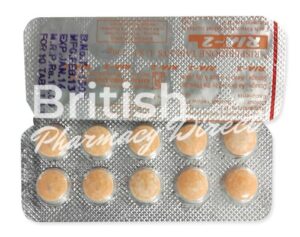
In stock
1mg · 2mg · 3mg · 4mg
from 4,58 £
In brief
- Risperdal is an atypical antipsychotic based on risperidone, used for schizophrenia, manic episodes and certain short-term behavioural problems.
- Available as 1 mg, 2 mg, 3 mg or 4 mg; the smallest pack holds 10 tablets and the largest 360.
- Risperidone is a POM in the UK; this listing is an imported product.
Risperdal as a treatment for psychosis and mania
Risperdal belongs to the second generation of antipsychotics, sometimes called atypicals. Its active substance, risperidone, damps down overactive dopamine and serotonin signalling in the brain, which helps to ease hallucinations, fixed false beliefs, disordered thinking and agitation. Under the UK SmPC, risperidone treats schizophrenia and moderate to severe manic episodes in bipolar disorder. It also has two tightly limited uses of no more than six weeks: persistent aggression in moderate to severe Alzheimer’s dementia when non-drug measures have not worked and there is a risk of harm, and persistent aggression linked to conduct disorder in children aged five and over with below-average intellectual functioning.
Tablet strengths and UK availability
Risperdal is offered here as 1 mg, 2 mg, 3 mg and 4 mg tablets, each strength in quantities of 10, 30, 60, 90, 120, 180 or 360. This listing is filled from imported stock. Within the UK, risperidone is a prescription-only medicine, available as generic tablets, orodispersible tablets and an oral solution, while the Risperdal brand currently appears on the electronic medicines compendium only as Risperdal Consta, a long-acting injection.
How dosing is worked out
For schizophrenia, adults usually begin with 2 mg a day, moving to 4 mg on day two, taken as one dose or split into two. Most people do well on 4 to 6 mg daily; going above 10 mg adds no benefit but increases movement side effects, and doses beyond 16 mg have not been assessed for safety. In mania the medicine is given once a day, starting at 2 mg and changing by 1 mg at a time, at least 24 hours apart, within a range of 1 to 6 mg. For elderly patients the SmPC suggests 0.5 mg morning and evening as a first dose. Where the kidneys or liver work less well, every dose (first and subsequent) is cut by half and titration proceeds at a slower pace. Food makes no difference to absorption. As the lowest strength listed is 1 mg, the smaller doses used for older people or children may need a different preparation.
Safety points from the SmPC
Elderly people with dementia who take antipsychotics have a higher death rate, and risperidone has been linked with stroke-type events in this group; the combination with furosemide needs particular caution. Other warnings cover neuroleptic malignant syndrome (fever, rigid muscles, confusion), tardive dyskinesia, raised blood sugar, raised prolactin, low white cell counts, dizziness on standing and QT prolongation. Anyone booked for cataract surgery should mention treatment beforehand because of floppy iris syndrome. Treatment is withdrawn gradually, as stopping abruptly can bring on nausea, vomiting, sweating and sleeplessness.
Interactions to discuss
Fluoxetine and paroxetine can push up risperidone levels, whereas carbamazepine and rifampicin can bring them down, so the dose may need to change when these are started or stopped. Other sedating medicines and alcohol can add to drowsiness, and medicines that also lengthen the QT interval need care. Risperdal may weaken the effect of levodopa and other dopamine agonists.
Side effects people may notice
Parkinson-like stiffness or tremor, drowsiness, headache and difficulty sleeping are among the most frequently reported. Common effects also include restlessness, weight gain and a bigger appetite, anxiety, a blocked nose, blurred vision, constipation, indigestion or nausea, and tiredness. Raised prolactin can disturb periods or cause breast changes and sexual problems. The prescriber decides whether Risperdal is appropriate and adjusts the strength to the person’s response.