
Meclizine
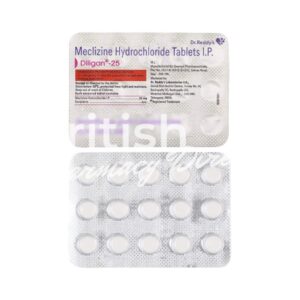
In brief
- Meclozine (meclizine) travel sickness tablets are pharmacy (P) medicines in the UK; use for vertigo should be discussed with a doctor.
- Meclizine is used to prevent and treat motion sickness and to relieve vertigo and dizziness. It is an antihistamine that blocks H1 receptors and reduces signals from the balance centres in the inner ear to the brain.
- The usual adult dose is 25–50 mg taken about 1 hour before travel for motion sickness, then once daily if needed. For vertigo, 25–100 mg daily in divided doses may be used, with a maximum of 100 mg per day.
- It is usually taken as a tablet or chewable tablet by mouth.
- Meclizine usually starts working within 1 hour after taking it.
- The effect generally lasts about 24 hours, so it is commonly taken once daily.
- Avoid alcohol, as it can increase drowsiness and worsen the sedative effects of meclizine.
- The most common side effect is drowsiness. Other common effects include dry mouth, blurred vision and fatigue.
- Would you like to try meclizine without a prescription?
Basic meclizine information
- INN (international nonproprietary name): Meclozine (meclizine).
- Brand names available in the United Kingdom: Meclozine.
- ATC code: R06AE05.
- Forms and dosages: Tablets 12.5 mg and 25 mg; chewable tablets.
- Manufacturers in the United Kingdom: Multiple generic manufacturers.
- Registration status in the United Kingdom: pharmacy (P) medicine for travel sickness.
- OTC / Rx classification: P (pharmacy medicine) for travel sickness; use for vertigo should be discussed with a doctor.
- Standard dosages: Motion sickness 25–50 mg one hour before travel, repeated every 24 hours if needed; vertigo 25–100 mg daily in divided doses; maximum daily dose 100 mg.
Feeling dizzy before a ferry crossing, a coach trip, or a weekend away can be miserable, and that is exactly where meclizine is often discussed.
This medicine belongs to the antihistamine group and is used for motion sickness and vertigo, but it is not suitable for everyone.
Safety first: who should avoid meclizine in the UK?
High-risk groups and when not to use it
Before considering travel sickness tablets or meclizine for dizziness, it is important to rule out the people who should avoid it or only use it with careful advice.
Contraindications and cautions are best understood as follows.
- Allergy to meclizine or meclozine
- Do not use it if there has been hypersensitivity to meclizine, meclozine, or piperazine derivatives.
- Children under six
- It is generally not used because safety data are lacking in most products.
- Severe liver or kidney impairment
- Use is not straightforward and may need specialist advice because metabolism and clearance can be affected.
- Asthma, glaucoma, prostate symptoms, urinary retention
- Extra caution is needed because anticholinergic effects can worsen these problems.
- Pregnancy and older adults
- Advice is needed because sedation and anticholinergic effects can be more troublesome, especially in older adults.
If there is any uncertainty, speak to your pharmacist, GP, or NHS 111.
Driving, machinery, and workplace safety
One of the most common questions about anti-sickness pills is whether they will make you too sleepy to work.
Meclizine can cause drowsiness, slowed reactions, blurred vision, and fatigue, so it is sensible to avoid driving, cycling, operating machinery, or doing safety-critical work until you know how it affects you.
- Try the first dose at home, not just before a long journey or work shift.
- Avoid alcohol, because it can make sedation and poor coordination worse.
- Be careful if you already take other medicines that make you sleepy.
- In UK workplaces, anyone in a safety-sensitive role should check that they can remain alert enough for the job.
Q&A: Can I drive after taking it in the UK?
Not if it makes you sleepy, slowed, or less alert.
Try it at home first, where it is lawful and safe to do so, before deciding whether you can drive.
What is meclizine and what is it called in the UK?
INN, UK spelling, and brand names
Meclizine and meclozine are sometimes taken for different medicines, but they refer to the same active ingredient.
In the UK, the spelling meclozine is commonly seen, and packaging may say Meclozine 25 mg tablets.
Drug class and ATC code
Meclizine is a first-generation antihistamine in the piperazine derivative group.
Its ATC code is R06AE05.
- R: Respiratory system.
- 06: Antihistamines for systemic use.
- AE: Piperazine derivatives.
- 05: The individual substance, meclizine or meclozine.
How meclizine works for motion sickness and vertigo
Simplified mechanism
For many people, the useful thing to know is simple: meclizine helps quiet the signals that drive nausea, dizziness, and motion-triggered symptoms.
It acts as an antihistamine with antiemetic and vestibular-suppressant effects, which is why it is used in travel sickness tablets and some vertigo medication plans.
Imagine the brain and inner ear as sending too many mixed messages during a coach ride or boat journey.
Meclizine helps dampen that “signal noise”, so sickness and spinning sensations may be less intense.
Clinical terms and what they mean
- Vestibular
- Related to the inner ear system that helps control balance.
- Anticholinergic
- Describes an effect that can dry secretions and sometimes cause blurred vision, constipation, or urine retention.
- Sedating
- Means it can make you sleepy or less alert.
- Antiemetic
- A medicine that helps prevent or relieve vomiting and nausea.
When UK patients use meclizine
Approved and common uses
In practice, meclizine is mainly discussed for motion sickness and vertigo symptom control.
- Motion sickness on boats, flights, coach trips and car journeys.
- Vertigo, when a clinician thinks an antihistamine is suitable.
- Nausea linked to movement or inner ear disturbance.
- Prevention of travel sickness on planned journeys, where prevention is better than rescue treatment.
Off-label and practical NHS use
Clinicians may consider it when other anti-sickness pills are not suitable, but it is not the answer for every dizzy spell.
Important: It is not a cure for Ménière’s disease unless a specialist specifically advises it.
If vertigo is severe, repeated, or linked with hearing changes, a proper diagnosis matters more than simply swapping tablets.
UK availability: prescription status, OTC access, and pharmacist advice
POM, P, and GSL context in the UK
In the UK, meclozine travel sickness tablets are pharmacy (P) medicines, supplied after a pharmacist check; use for vertigo should be discussed with a doctor.
In our online pharmacy, meclizine is available without a prescription, with discreet delivery to the United Kingdom in 9–21 days.
Why pharmacist counselling matters in the UK
Across UK community pharmacy settings, patients are often used to asking about travel sickness tablets at the counter, and that habit is a good one.
- Check for interactions with current medicines.
- Ask about pregnancy or breastfeeding where relevant.
- Screen for glaucoma, prostate symptoms, and urinary retention.
- Warn about drowsiness and alcohol.
- Discuss whether the symptom is really motion sickness or something else.
Standard doses and how to take meclizine safely
Adult dosing for motion sickness and vertigo
Correct dosing matters because taking too little may not help, while taking too much raises the risk of side effects.
| Condition | Typical adult dose | Maximum daily dose |
|---|---|---|
| Motion sickness | 25–50 mg one hour before travel, then repeat every 24 hours if needed | 100 mg |
| Vertigo | 25–100 mg daily in divided doses | 100 mg |
For someone booking a Friday-evening getaway, that usually means taking the dose before leaving rather than waiting until the ferry starts rocking.
Practical administration tips
Meclizine can be taken with or without food.
If it upsets the stomach, a small snack is fine.
- Take it about one hour before travel for prevention.
- Do not exceed the daily maximum.
- Chewable tablets should be chewed before swallowing.
Q&A: What if I miss a dose?
Take it when remembered unless it is nearly time for the next dose.
Do not double up.
Dose adjustments for children, older adults, and chronic illness
Children and age limits
Children need extra care because the evidence base is limited in younger age groups.
- Under six years: generally avoided.
- Under 12 years: safety data are limited.
- Any paediatric use should follow the label or paediatric advice only.
Elderly, liver, and kidney impairment
Older adults are more likely to feel sleepy or experience anticholinergic effects, so a lower starting dose is often sensible.
| Group | Main issue | Practical point |
|---|---|---|
| Older adults | More sedation and confusion risk | Start low, monitor closely |
| Liver impairment | Metabolism may be affected | Use caution and watch for adverse effects |
| Kidney impairment | Clearance may be altered | Seek advice before use |
Side effects UK patients commonly report
Common and usually mild effects
Most people ask first about drowsiness, and that is sensible because it is the main issue with meclizine.
| Effect | What to do |
|---|---|
| Drowsiness | Avoid driving, machinery, and alcohol |
| Dry mouth | Drink water and use sugar-free sweets if suitable |
| Blurred vision | Do not drive until vision clears |
| Fatigue | Rest and avoid safety-critical tasks |
| Headache, vomiting, constipation, confusion in older adults | Seek advice if persistent or troublesome |
When side effects need urgent help
Most mild effects settle, but some symptoms need prompt medical attention.
- Severe allergic reaction.
- Extreme confusion or marked agitation.
- Inability to pass urine.
- Seizures.
- Signs of overdose.
Suspected side effects can be reported through the Yellow Card scheme.
Interactions with alcohol, food, and everyday medicines
Alcohol, caffeine, and meals
Alcohol is the biggest everyday concern because it can worsen sedation and impair coordination.
- Avoid drinking alcohol while taking meclizine.
- Food is usually not a major issue.
- A snack can help if mild stomach upset occurs.
- Caffeine may not cancel out drowsiness and should not be relied on for alertness.
Common drug conflicts
| Medicine group | Possible problem |
|---|---|
| Sleeping tablets | More sedation and poorer coordination |
| Opioids | Greater central nervous system depression |
| Benzodiazepines | Additive drowsiness |
| Other antihistamines | More anticholinergic effects |
| Anti-muscarinics | Dry mouth, urinary retention, and blurred vision may worsen |
Overdose, missed doses, and what to do in an emergency
Overdose symptoms and first steps
An overdose is not something to “wait and see” about if symptoms are significant.
Reported overdose symptoms include drowsiness, dry mouth, blurred vision, anticholinergic effects, and rarely seizures.
- Call 999 if symptoms are severe, the person is hard to wake, or there are seizures.
- Seek urgent advice from NHS 111 if the amount taken is uncertain.
- Have the pack to hand when asking for help.
Keeping medicines safe at home
Storage at home is simple but important.
- Keep tablets in the original pack.
- Store them away from children.
- Do not share them with anyone else.
- Keep them dry and out of direct light.
Comparing meclizine with UK alternatives
NHS prescribing alternatives
Meclizine is part of a wider group of medicines used for motion sickness and vertigo, and the best choice depends on the person and the symptom.
| Medicine | Common use | Main difference |
|---|---|---|
| Cyclizine | Motion sickness and nausea | Common UK alternative |
| Cinnarizine | Vertigo and motion sickness | Stugeron is a well-known brand |
| Promethazine | Nausea and vertigo | Often more sedating |
| Hyoscine (scopolamine) patch | Motion sickness prevention | Patch form rather than tablet |
Pros and cons checklist
- Pros: Useful for travel sickness tablets and some vertigo symptoms.
- Pros: Can be taken before travel for prevention.
- Cons: Drowsiness can be troublesome.
- Cons: Not suitable for everyone with glaucoma, urinary retention, or severe liver or kidney problems.
- Cons: Not a cure for every type of vertigo.
Storage, transport, and household handling
Storage conditions
Keep meclizine at 20–25°C, protected from moisture and light.
- Store in the original packaging.
- Keep away from damp cupboards and steamy bathrooms.
- Do not leave it in hot cars or in direct sunlight.
UK home handling and travel tips
British homes are not always kind to tablets because of damp and temperature swings, so simple storage habits help.
- Keep it out of reach of children.
- Take enough for the journey, plus a little extra if advised.
- Check the pack before going abroad, especially if travelling on short notice.
- Do not transfer tablets into unlabelled containers.
Regulation, approvals, and current supply status
MHRA and local registration
UK availability depends on the specific product and its marketing authorisation.
UK packs use the spelling meclozine rather than meclizine; both names refer to the same medicine.
How pharmacists and clinicians advise proper use
UK-style counselling points
A good pharmacy consultation keeps the advice practical and specific to the person in front of the counter.
- Confirm the reason for use, such as motion sickness or vertigo.
- Check the timing before travel.
- Warn about drowsiness and alcohol.
- Make sure the dose does not exceed the daily maximum.
- Ask about pregnancy, glaucoma, urinary symptoms, asthma, and other comorbidities.
- Review other medicines that may add to sedation.
Patient-facing questions to ask
- Is this suitable with my medicines?
- How long can I take it?
- Will it make me sleepy?
- Is there a better option for my vertigo or travel sickness?
Delivery across the United Kingdom
| City | Region | Delivery time |
|---|---|---|
| London | England | 9–21 days |
| Birmingham | England | 9–21 days |
| Manchester | England | 9–21 days |
| Leeds | England | 9–21 days |
| Liverpool | England | 9–21 days |
| Glasgow | Scotland | 9–21 days |
| Edinburgh | Scotland | 9–21 days |
| Cardiff | Wales | 9–21 days |
| Bristol | England | 9–21 days |
| Newcastle upon Tyne | England | 9–21 days |
| Sheffield | England | 9–21 days |
| Nottingham | England | 9–21 days |
| Southampton | England | 9–21 days |
| Leicester | England | 9–21 days |