Bupropion + Naltrexone

In stock
8/90mg
from 70,33 £
In brief
- Bupropion + Naltrexone is a prolonged-release tablet that combines two medicines to reduce appetite and cravings in adults managing their weight.
- One strength, naltrexone 8 mg with bupropion 90 mg, in packs of 30, 60, 90 or 120.
- The same combination is authorised in Britain under the Mysimba name and is POM; it supports, not replaces, diet and exercise.
Bupropion + Naltrexone for hunger and craving
Bupropion + Naltrexone is a fixed combination aimed at the part of the brain that governs hunger, and at the pull of food as a reward. Bupropion, which on its own is used in the UK to help people stop smoking, influences dopamine and noradrenaline, while naltrexone blocks opioid receptors involved in reward and craving. Taken together, they are intended to make it easier to eat less. In the UK, the combination is licensed for adults with a BMI of 30 or more, or of 27 to below 30 with a weight-related condition such as type 2 diabetes, abnormal blood fats or controlled high blood pressure, always alongside a reduced-calorie diet and more physical activity.
Strength, packs and the UK brand
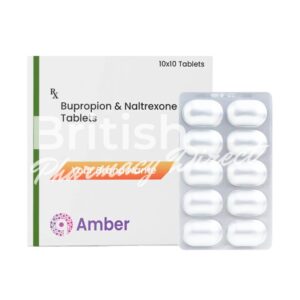
The prolonged-release formulation combines naltrexone at 8 mg with bupropion at 90 mg in a single tablet. Quantities of 30, 60, 90 and 120 are available. The UK-licensed product with this composition is Mysimba, which is prescription-only (POM); Bupropion + Naltrexone sold on this page is an imported product rather than the UK pack. On the NHS side, NICE (in TA494) advised against its use for overweight and obesity.
Reaching the full dose over a month
The dose is built up gradually to limit nausea. The daily total climbs by one tablet a week: a single morning tablet to begin with, an evening tablet added in the second week, a further morning tablet in the third, and from the fourth week two tablets twice daily. Four tablets a day (32 mg naltrexone, 360 mg bupropion) should never be exceeded. Swallow the tablets whole with water, ideally with food, without cutting, chewing or crushing them. Leave out any forgotten tablet and keep to the normal timetable afterwards. People with mild liver problems, or kidneys working at a moderately or severely reduced level, stay on no more than two tablets a day, one morning and one evening.
The 5% rule and yearly review
After 16 weeks, treatment should be stopped if less than 5% of starting body weight has been lost, and continued use is reassessed every year. The SmPC advises against starting it in moderate liver impairment and in anyone older than 75.
Who cannot take it
The SmPC excludes people with uncontrolled high blood pressure, a seizure disorder or a history of seizures, a tumour of the central nervous system, or who are abruptly stopping alcohol or a benzodiazepine. It is also ruled out in bipolar disorder, current or past bulimia or anorexia nervosa, long-term opioid use or acute opioid withdrawal, severe liver impairment and end-stage kidney failure, and with any other medicine containing bupropion or naltrexone. Allow a gap of two weeks or more after the last dose of an MAOI. Pregnant and breastfeeding women should not take it.
Interactions and reported side effects
Bupropion inhibits the CYP2D6 enzyme, so some antidepressants, antipsychotics, metoprolol and tamoxifen may need dose changes. Medicines that lower the seizure threshold, for example tramadol, theophylline and systemic steroids, call for caution, and a seizure means stopping Bupropion + Naltrexone permanently. Opioid painkillers will not work properly while it is taken, and trying to overcome the blockade with high doses can cause a dangerous overdose. Blood pressure and pulse should be checked, and any low mood or suicidal thoughts reported at once. More than one person in ten gets nausea, constipation, vomiting or headache, and dizziness, a dry mouth, poor sleep, shakiness, anxiety, a quicker pulse and hot flushes are also frequent. Your doctor decides whether Bupropion + Naltrexone is suitable.