Flavoxate Hcl
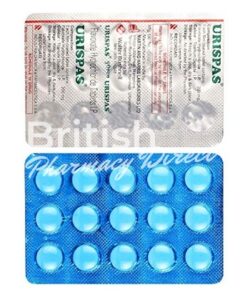
In stock
200mg
from 48,16 £
In brief
- Flavoxate HCl is a urinary antispasmodic used when an irritated bladder causes a sudden need to go, frequent trips and stinging.
- Film-coated 200 mg tablets in boxes of 30, 60, 90, 120 or 180.
- A UK prescription is required for any flavoxate product (it is a POM), and the tablets listed here are imported rather than a UK-licensed brand.
How Flavoxate HCl calms bladder symptoms
Flavoxate HCl (flavoxate hydrochloride) is an antispasmodic that works directly on the smooth muscle lining the bladder and the lower urinary tract. By relaxing that muscle it allows the bladder to hold more and lowers the pressure at which urine is passed, without notable effects on the heart or breathing. After a 200 mg dose the body quickly converts flavoxate into an active metabolite that peaks in the blood within about 30 to 60 minutes, and more than half of the dose leaves the body through the kidneys in that form. The UK SmPC lists symptomatic relief of painful urination, urgency, passing urine at night, pain above the pubic bone, frequency and incontinence linked to cystitis, prostatitis, urethritis and related inflammation of the urethra and bladder. It also covers spasm caused by catheters or cystoscopy and discomfort following surgery on the lower urinary tract.
Strength and pack options
The listing has one strength, 200 mg, offered as 30, 60, 90, 120 or 180 tablets. These are imported tablets. In Britain, flavoxate is supplied under the brand Urispas 200 mg, the only flavoxate product shown on the electronic medicines compendium, and it is classed as a prescription-only medicine.
Dose for adults and older people
The SmPC recommends one 200 mg tablet three times a day, for as long as needed, with no separate adjustment for older adults. Taking each dose straight after food makes nausea less likely. Use in children under 12 is not recommended, as safety and effectiveness have not been established in that age group. Because most of the active metabolite is cleared by the kidneys, people with kidney impairment need extra caution. It is worth remembering that Flavoxate HCl eases symptoms but does not clear an infection: cystitis or prostatitis caused by bacteria needs its own treatment, and fever, pain in the back or side, or blood in the urine should be checked by a GP.
Conditions that rule it out
Flavoxate must not be used by anyone allergic to it or to the tablet ingredients, or by people with a blockage of the stomach or bowel, paralytic ileus, bleeding from the digestive tract, achalasia of the oesophagus, urinary retention, glaucoma or myasthenia gravis. The tablets contain lactose, so they are unsuitable for those with rare inherited sugar intolerances such as galactose intolerance or glucose-galactose malabsorption. Interactions have never been formally studied, which is a good reason to tell the prescriber about everything else you take, including remedies bought over the counter. Data in pregnancy are limited and avoiding flavoxate is preferred as a precaution; it should not be taken while breastfeeding.
What side effects can occur
Feeling sick is the side effect people mention most. Uncommon effects include being sick, a dry mouth, heartburn-like indigestion, sleepiness, a rash and problems with eyesight such as blurring. Rarely, there may be tiredness, nettle rash, itchy skin or trouble emptying the bladder. Confusion, palpitations, raised liver enzymes, jaundice and glaucoma have been reported after marketing, and serious allergic reactions are possible: seek emergency care for swelling of the face or throat or trouble breathing. Persistent urinary symptoms deserve a proper assessment, and your doctor or prescriber decides whether flavoxate is the right choice.
Everyday points while taking it
Flavoxate HCl has a minor influence on the ability to drive. If it makes you drowsy or your sight becomes blurred, avoid driving and using tools or machines until the effect has passed. The SmPC describes three doses spread across the day, each taken after a meal. Drinking normally and noting how often you pass urine can help the prescriber judge whether Flavoxate HCl is working. If urgency, pain or frequency keep returning, further tests may be needed to look for a cause such as infection, stones or an enlarged prostate.