Zenegra
In brief
- In our pharmacy, you can buy Zenegra without a prescription, with delivery across the United Kingdom in 9–21 days and discreet packaging.
- Zenegra (sildenafil) is used to treat erectile dysfunction; it is a phosphodiesterase type 5 (PDE5) inhibitor that increases cyclic GMP in penile smooth muscle, causing relaxation and increased blood flow—sildenafil is also used for pulmonary arterial hypertension under other brandings.
- The usual dose for erectile dysfunction is 50 mg taken about 1 hour before sexual activity; doses may be reduced to 25 mg or increased to 100 mg depending on response and tolerability, with a maximum of 100 mg in 24 hours.
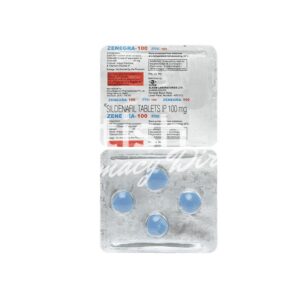
- The drug is administered orally as a film‑coated tablet (available as 25 mg, 50 mg and 100 mg) and is usually supplied in blister packs.
- Zenegra typically begins to work within 30–60 minutes after dosing.
- The duration of action is generally around 4–5 hours, during which time sexual stimulation may lead to an erection.
- Avoid excessive alcohol when taking Zenegra—alcohol can reduce effectiveness and increase the risk of dizziness and low blood pressure; combining with nitrates is strictly contraindicated.
- The most common side effect is headache.
- Would you like to try Zenegra without a prescription?
Basic Zenegra information
- INN (international nonproprietary name): Sildenafil (also commonly listed as sildenafil citrate).
- Brand names: Zenegra (Alkem Laboratories; not licensed in the UK).
- ATC code: G04BE03.
- Forms and dosages: Tablet strengths 25 mg, 50 mg, 100 mg.
- Manufacturers: Alkem Laboratories.
- Registration status in the United Kingdom: Zenegra is not licensed in the UK; sildenafil products are prescription-only medicines, apart from one licensed 50 mg pharmacy (P) product.
- OTC / Rx classification: Prescription-only medicine (POM).
Critical warnings and restrictions
Zenegra contains sildenafil, an effective oral treatment for erectile dysfunction that requires sexual stimulation to work.
High‑risk groups (elderly, pregnancy, chronic illness)
Who should be cautious or avoid sildenafil is a common worry.
Sildenafil is contraindicated with any nitrate medication such as glyceryl trinitrate or isosorbide because of the risk of severe hypotension.
Do not use sildenafil if allergic to sildenafil or any excipients, or after a recent stroke or heart attack, with unstable angina, severe hepatic or renal impairment, or with retinitis pigmentosa.
Sildenafil is not licensed for women, children or adolescents and use in these groups is inappropriate.
Elderly patients and those with cardiovascular disease should start at a lower dose, for example 25 mg, and be monitored for hypotension and fainting.
If you have diabetes, hypertension, or are on several blood pressure medicines, discuss use with an NHS prescriber or community pharmacist first.
- Absolute contraindications: Concomitant nitrates; known hypersensitivity to sildenafil.
- Relative precautions: Severe liver or renal impairment; unstable cardiovascular disease; predisposition to priapism; concurrent strong CYP3A4 inhibitors.
- Urgent symptoms requiring help: Chest pain, prolonged erection (>4 hours), sudden vision loss, sudden hearing loss, fainting.
Interaction with activities (driving, workplace safety under UK law)
Patients worry whether sildenafil affects driving and safety‑critical work.
Avoid driving or operating heavy machinery if you feel dizzy, faint, or have visual disturbance after taking sildenafil.
UK rules require informing the DVLA only if a medical condition or medication side effect affects safe driving; temporary side effects should be reported to your prescriber or pharmacist.
If your job is safety‑critical, follow employer guidance and speak to occupational health or a pharmacist before using sildenafil.
Q&A — “Can I drive after taking it in the UK?”
Q: Can I drive after taking Zenegra (sildenafil)?
A: Most people can drive if they feel well and have no side effects.
Do not drive if you experience dizziness, fainting, blurred or blue‑tinted vision, or any other impairment after taking sildenafil.
If side effects occur, stop driving and contact your prescriber or pharmacist for advice.
Report serious or unexpected adverse events to the MHRA Yellow Card scheme.
Usage basics
INN, brand names available in the UK
Patients ask what sildenafil products look like on the shelf.
The active ingredient is sildenafil (INN), often labelled as sildenafil citrate on packaging.
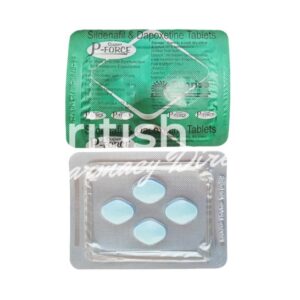
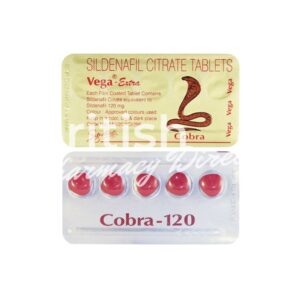
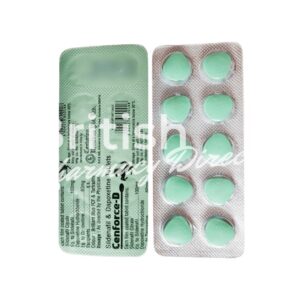
Zenegra is a branded generic produced by Alkem Laboratories and is sold in blue film‑coated tablets in 25 mg, 50 mg and 100 mg strengths.
In the UK, the originator Viagra (Pfizer) and multiple licensed generics are available.
Only one licensed sildenafil 50 mg product is available from UK pharmacies without a prescription, under defined pharmacy screening conditions; other sildenafil products remain prescription‑only.
Appearance and pack sizes vary; Zenegra typically appears in blister packs of 1–10 tablets.
Legal classification (POM, P, GSL)
Classification can be confusing.
Zenegra is not licensed in the UK; sildenafil is a prescription‑only medicine (POM).
- INN: International Nonproprietary Name — sildenafil.
- POM: Prescription‑Only Medicine — most sildenafil products, including many generics.
- P (Pharmacy only): Pharmacy supply without a prescription under professional supervision — one licensed sildenafil 50 mg product in the UK.
Dosing guide
Standard regimens (NHS guidelines)
One of the first questions is “what dose should I start?”
The usual adult dose for erectile dysfunction is 50 mg taken about 30–60 minutes before sexual activity.
The dose may be titrated up to 100 mg or down to 25 mg depending on efficacy and tolerability.
The maximum single‑day dose is 100 mg in any 24‑hour period.
For pulmonary arterial hypertension (PAH) sildenafil regimens differ (for example, 20 mg three times daily for licensed PAH products) and such dosing is not the usual intention for Zenegra branding.
Zenegra is intended for on‑demand ED use and not for continuous daily ED therapy unless advised by a clinician.
Adjustments for comorbidities
Dose reduction is important when other health issues are present.
Start at 25 mg for elderly patients, those with significant hepatic or renal impairment, or those taking strong CYP3A4 inhibitors.
Avoid sildenafil in patients taking nitrates or with severe cardiovascular instability.
Q&A — “What if I miss a dose?”
Q: I take scheduled sildenafil (for PAH) and missed a dose — what should I do?
A: For on‑demand ED dosing, a missed dose is not applicable.
For scheduled regimens, take the missed dose as soon as remembered unless it is near the time for the next dose; do not double doses.
Seek urgent care for overdose signs such as severe hypotension, priapism or vision/hearing changes.
- Dosing steps: Start 50 mg, attempt sexual activity after 30–60 minutes, adjust to 25 mg or 100 mg as needed.
- Titration pathway: If inadequate response at 50 mg, try up to 100 mg once; if side effects occur, step down to 25 mg.
- When to stop: Stop and seek advice if severe side effects occur, or if warned off by a clinician due to interactions or heart disease.
Interaction chart
Food and drinks (alcohol, tea/coffee, diet habits)
Patients often ask whether they should avoid certain foods or drinks.
Excessive alcohol increases the risk of orthostatic hypotension and can reduce erectile response; moderate alcohol is usually tolerated but caution is advised.
High‑fat meals may delay absorption and onset of sildenafil, so expect a slower start after a heavy meal.
Caffeine has minimal direct interaction, though it can increase feelings of palpitations or jitteriness which may be misattributed to sildenafil.
| Food/drink | Effect |
|---|---|
| Alcohol (excess) | Increased risk of dizziness, fainting and reduced erectile response. |
| Grapefruit juice | May increase sildenafil levels via CYP3A4 interaction; avoid large amounts. |
| High‑fat meal | May delay onset and Tmax; consider taking on an emptier stomach for quicker onset. |
Common drug conflicts
Drug interactions determine safe prescribing more often than food interactions.
- Nitrates: Absolute contraindication — concurrent use may cause life‑threatening hypotension.
- Strong CYP3A4 inhibitors: Agents such as ritonavir or ketoconazole increase sildenafil exposure — reduce starting dose and monitor.
- CYP3A4 inducers: May reduce sildenafil effectiveness.
- Alpha‑blockers / antihypertensives: Can worsen hypotension — start sildenafil at low dose and monitor blood pressure.
Report unexpected adverse reactions to the MHRA Yellow Card scheme and consult MHRA guidance for safety updates.
Legal status and availability in the UK
In our online pharmacy, Zenegra is available without a prescription, with discreet delivery to the United Kingdom in 9–21 days.
Mechanism and pharmacology
Simplified explanation
People often want to know how sildenafil actually helps an erection.
Sildenafil is a phosphodiesterase‑5 (PDE5) inhibitor that enhances nitric oxide–mediated vasodilation in the corpus cavernosum.
By preventing cGMP breakdown it prolongs smooth muscle relaxation and increases blood flow into the penis during sexual stimulation.
Sildenafil does not cause spontaneous erections without arousal.
Clinical terms
Key pharmacokinetic points patients ask about are onset and duration.
Onset is typically 30–60 minutes although Tmax and onset can vary with food and formulation.
Half‑life is approximately 3–5 hours and the duration of effect may last several hours, with individual differences.
For PAH, dosing and frequency differ — licensed PAH products use regimens such as 20 mg three times daily under specialist care.
- PDE5: Phosphodiesterase type 5 enzyme blocked by sildenafil.
- cGMP: Cyclic guanosine monophosphate, the molecule that mediates smooth muscle relaxation.
- Tmax: Time to peak plasma concentration — delayed by high‑fat meals.
- Half‑life: ~3–5 hours.
| Characteristic | Highlight |
|---|---|
| Dose strengths | 25 mg, 50 mg, 100 mg |
| Typical onset | 30–60 minutes |
| Duration | Several hours; variable |
| Metabolic pathway | CYP3A4 |
Indications and off‑label uses
Uses
Sildenafil is licensed in the UK for erectile dysfunction and, under different formulations and doses, for pulmonary arterial hypertension.
Most sildenafil products are prescription‑only in the UK.
Zenegra itself is not licensed in the UK.
Off‑label practices in NHS and private care
Prescribers may use sildenafil off‑label in selected clinical scenarios but must document rationale and counsel patients on evidence and risk.
Off‑label use is uncommon for ED and specialist PAH dosing should use licensed formulations under specialist supervision.
- Authorised indications: Erectile dysfunction (ED); PAH under specific licences.
- Common off‑label scenarios: Select vascular conditions with documented rationale and consent.
- Prescriber responsibilities: Document rationale, discuss risks, and provide monitoring plans.
Alternatives matrix
NHS prescribing alternatives (comparison table)
| Drug | Typical dose | Onset | Duration | Key cautions |
|---|---|---|---|---|
| Sildenafil | 25–100 mg as needed | 30–60 minutes | Several hours | Avoid with nitrates; caution with antihypertensives |
| Tadalafil | 10–20 mg as needed or 2.5–5 mg daily | 30–60 minutes | Up to 36 hours (longer) | Daily option; watch renal function and interactions |
| Vardenafil | 5–20 mg as needed | Faster onset for some | Several hours | Similar interactions to sildenafil |
| Vacuum devices / counselling | N/A | Immediate mechanical | Depends on method | Non‑drug options for those unsuitable for PDE5 inhibitors |
Pros and cons checklist
- Sildenafil: Rapid onset, suitable for on‑demand use; interacts with nitrates and some CYP3A4 drugs.
- Tadalafil: Longer duration and option for daily dosing; consider renal function and daily dosing suitability.
- Vardenafil: Similar efficacy; may suit those preferring different onset profiles.
- Non‑drug therapies: Vacuum pumps, psychological therapy and testosterone replacement if hypogonadism is confirmed.
- Refer to urology/sexual health if: Two failed PDE5 inhibitors, suspected hypogonadism, penile deformity, recurrent priapism or complex vascular disease.
Common questions
Here are short answers to questions often raised in pharmacies and clinics.
- Will Zenegra work first time? Efficacy varies; sexual stimulation is required and several attempts at the correct dose may be needed before deciding effectiveness.
- Is it safe with blood pressure medicines? Many antihypertensives are compatible, but watch for extra hypotension with alpha‑blockers; discuss with a pharmacist before use.
- What about fertility? Sildenafil improves erectile function but is not a treatment to improve sperm quality; discuss fertility concerns with a clinician.
Report adverse reactions to the MHRA Yellow Card scheme and seek urgent care for priapism lasting more than 4 hours or sudden visual or hearing loss.
- Priapism: A prolonged, painful erection lasting more than 4 hours that requires emergency treatment.
- Yellow Card: The MHRA system for reporting suspected adverse drug reactions in the UK.
Registration and regulation
MHRA approval process
The MHRA oversees marketing authorisation and pharmacovigilance in the UK.
Check the MHRA or the product SPC for product‑specific indications, dosing and safety information before prescribing or supplying.
Zenegra is manufactured by Alkem Laboratories and is not licensed in the UK.
Report suspected adverse reactions via the MHRA Yellow Card system.
NHS prescribing framework
NHS prescribers follow local formularies and shared care agreements for ED medications.
Apart from one licensed 50 mg pharmacy (P) product, sildenafil brands require a POM prescription.
- Regulatory checks before supply: Verify MA number, batch and expiry; consult MHRA/SPC.
- Where to verify MA numbers: MHRA website or product packaging.
- Steps to report safety issues: MHRA Yellow Card reporting and local governance channels.
Storage and handling
UK household storage (cold/damp climate)
Proper storage is a practical matter for households.
Store sildenafil tablets below 25°C and protect from light and moisture.
Keep tablets in their original blister packaging until use and avoid bathrooms where humidity fluctuates.
Keep all medicines out of reach of children and pets, and consider locked storage for those with cognitive impairment.
Guidance from NHS and pharmacists
Pharmacists should advise safe transport — keep in original packaging and avoid exposure to high heat.
Clinic teams should record batch numbers for recall purposes where relevant.
If tablets are discoloured or damaged do not use them and return to the pharmacy for safe disposal.
- Storage steps: Original packaging, cool dry place, out of reach of children.
- Disposal: Return to pharmacy take‑back schemes rather than household waste.
- If exposed to heat/cold: Do not use discoloured or damaged tablets; consult the supplying pharmacy.
Guidelines for proper use
UK pharmacist counselling style
Pharmacists should use a private, patient‑centred approach for ED medications.
Confirm the indication, a cardiovascular history, current medicines including nitrates, alcohol use and previous PDE5 experience.
Explain expectations: sexual stimulation is required for effect, and dosing limits must be observed.
Counsel on common side effects and red flags such as chest pain, priapism and sudden sensory loss.
Provide a written patient information leaflet or direct the patient to NHS.uk information.
NHS patient safety advice
The NHS recommends a cardiovascular risk assessment where appropriate, and specialist referral if there is unstable cardiac disease.
Document consent, the screening outcome and a follow‑up plan in the patient record.
- Pre‑supply questions: Cardiac symptoms, current meds, allergies, erection history.
- Red flags for urgent referral: Chest pain, fainting, sustained erection, sudden vision or hearing loss.
- Follow‑up timeline: Review after several doses or earlier if concerns arise.
- Documentation prompts: Record supply, advice given, batch numbers if applicable.
Encourage patients to report suspected adverse reactions to MHRA Yellow Card.
Delivery across the United Kingdom
| City | Region | Delivery time |
|---|---|---|
| London | England | 9–21 days |
| Manchester | England | 9–21 days |
| Birmingham | England | 9–21 days |
| Glasgow | Scotland | 9–21 days |
| Leeds | England | 9–21 days |
| Edinburgh | Scotland | 9–21 days |
| Bristol | England | 9–21 days |
| Liverpool | England | 9–21 days |
| Newcastle | England | 9–21 days |
| Sheffield | England | 9–21 days |
| Belfast | Northern Ireland | 9–21 days |
| Cardiff | Wales | 9–21 days |
| Coventry | England | 9–21 days |